
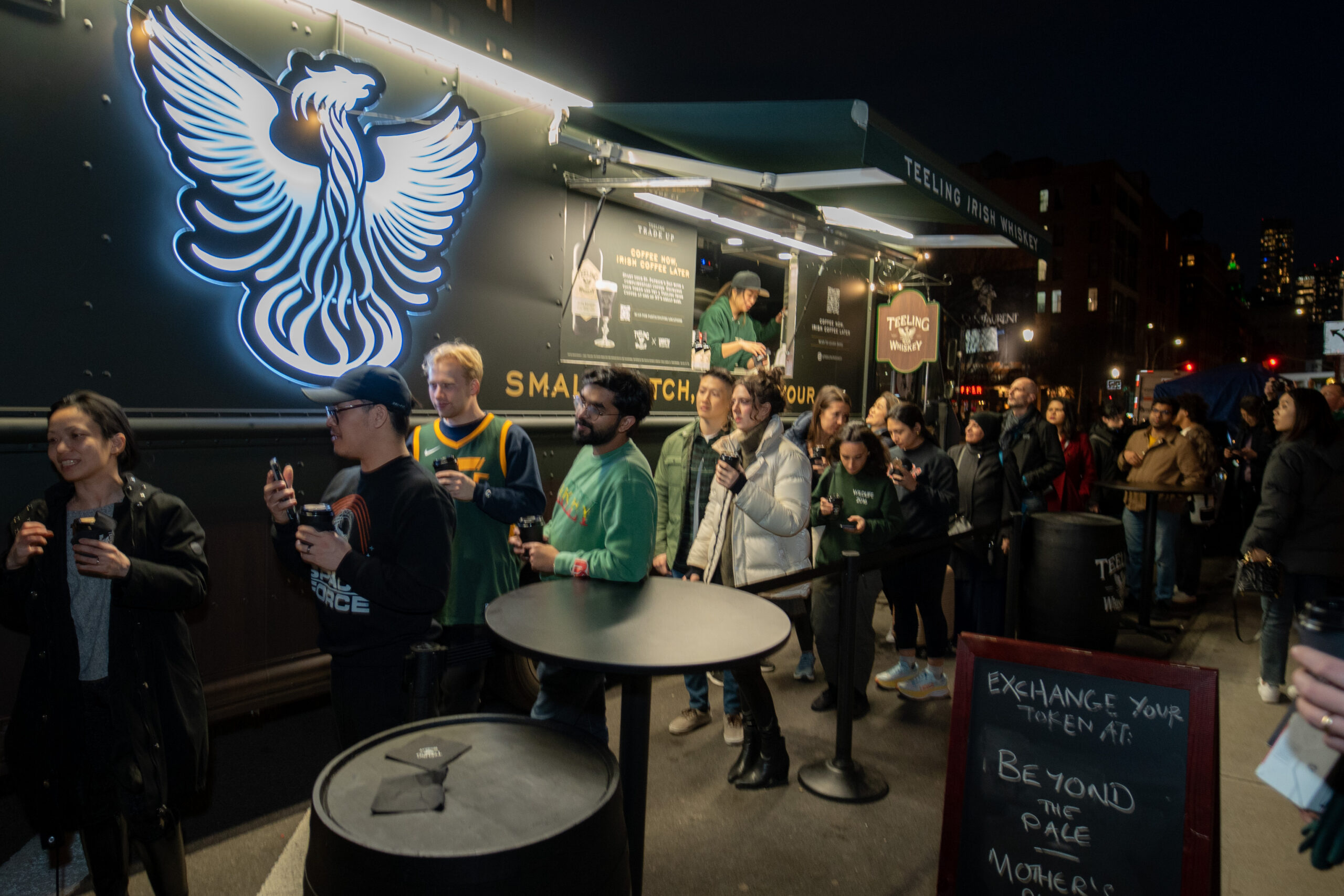
Brand culture is shaped by more than logos, slogans, and advertising messages. It develops through the experiences, behaviors, and values people associate with a brand over time. Experiential marketing is one of the most direct ways to bring those elements to life, giving audiences a chance to participate in a brand instead of simply observing it from a distance.
This article looks at how live, interactive experiences turn brand values into visible actions, strengthen audience relationships, and help build a culture people want to be part of, one that extends well beyond whichever campaign introduced them to the brand.
What Is Brand Culture?
Brand culture is the shared values, behaviors, stories, and expectations that shape how customers, employees, and communities experience a brand. It includes both the identity a company communicates outward and the meaning people attach to it through repeated interactions over time.
A brand can state its values in a mission statement, but culture only forms once people actually encounter those values in a way that feels real. That gap between stated values and lived experience is exactly where experiential marketing does its best work.
Culture also compounds over time in a way that a single campaign cannot. Each activation adds another data point to the story audiences build about a brand, which means consistency across campaigns matters as much as the quality of any one event.
Turning Brand Values Into Real Experiences
Experiential marketing transforms abstract values into visible, tangible interactions. An activation can demonstrate creativity, sustainability, inclusivity, innovation, or community involvement far more effectively than simply stating those values in an advertisement.
Audiences understand what a brand represents more clearly when they can experience it firsthand. A sustainability-focused brand that builds an activation around reusable packaging and local sourcing communicates that value more convincingly than any tagline could, because the audience sees the value in practice rather than reading a claim about it.
This works because live experiences leave little room to bluff. An advertisement can claim almost anything, but a physical activation has to actually deliver on the value it represents in front of a live audience, which is part of why the format carries so much credibility.
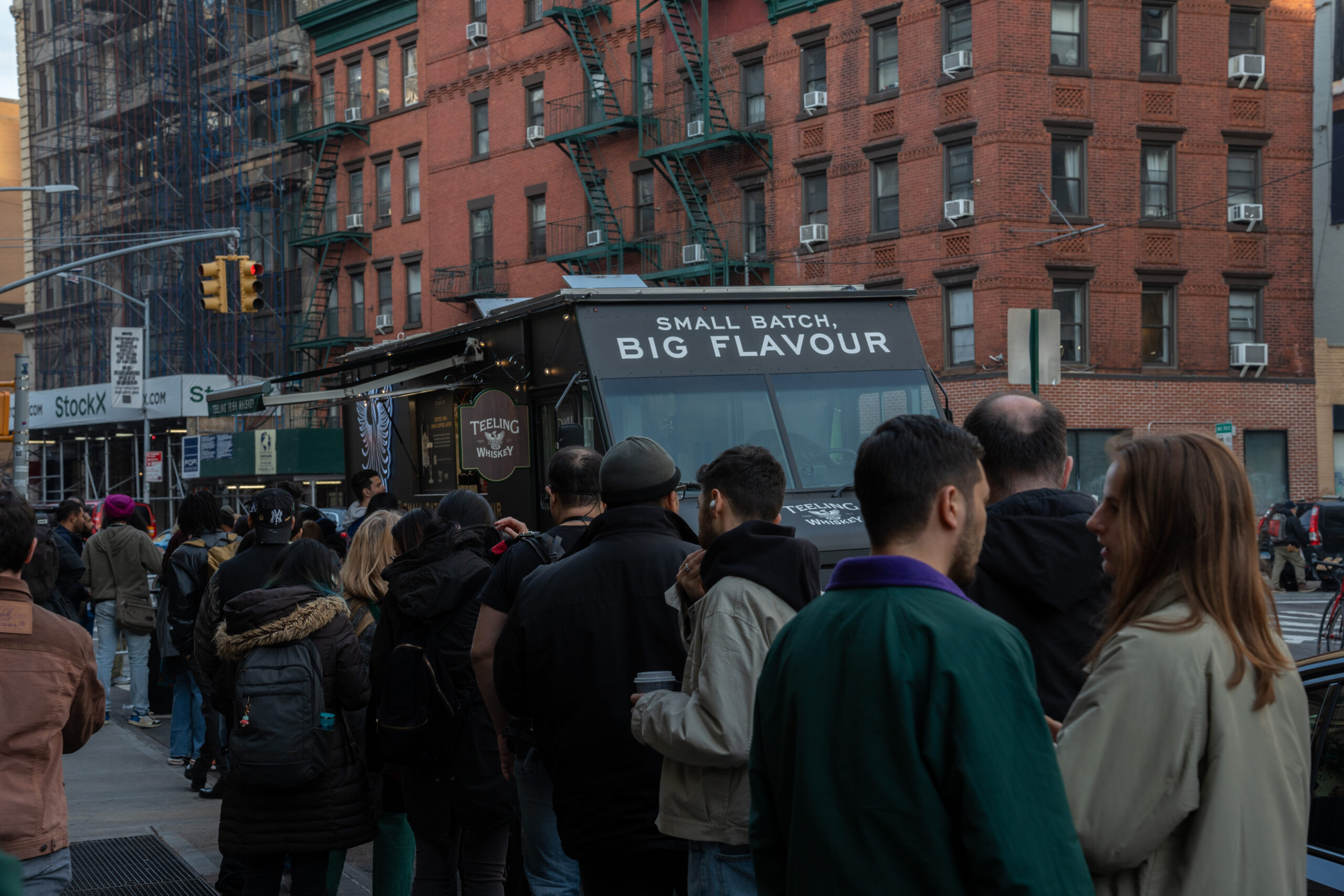
Creating Emotional Connections Around the Brand
Immersive and interactive experiences tend to generate stronger emotional responses than passive advertising. Participation, sensory detail, storytelling, and human interaction all make a brand feel more personal than a banner ad or a scrolling feed ever could.
Those emotional moments carry weight beyond the activation itself. They tend to translate into stronger brand recognition, more positive associations, and, over time, a deeper sense of loyalty that a purely transactional relationship rarely produces.
The strongest emotional connections tend to come from specific, well-executed details rather than the scale of the activation itself. A small, well-run sampling moment with a genuine conversation can leave a stronger impression than a large installation that feels impersonal, which is worth remembering when planning where to put a limited budget.
Building a Community, Not Just an Audience
Experiential campaigns bring together people who share interests, lifestyles, or values, and that shared presence changes the nature of the interaction. Events, pop-ups, mobile activations, and other live experiences create space for attendees to connect with the brand and with each other.
That second connection, between attendees themselves, is often what turns a one-time audience into something closer to a community. People who met at an activation, bonded over a shared reaction to it, or ran into each other again at the next stop on a tour are far more likely to see the brand as something they belong to rather than something they simply purchased from.
Recurring activations reinforce this further. A brand that returns to the same market or the same event year after year gives its community a reason to keep showing up, which builds a kind of familiarity that a one-off campaign cannot replicate.
Giving Audiences an Active Role in the Brand Story
Experiential marketing moves audiences from passive viewers to active participants. Product interaction, customization, live demonstrations, challenges, performances, and user-generated content all let people influence or contribute to the experience rather than just watching it unfold.
That kind of participation tends to create a stronger sense of ownership. Someone who helped shape a moment, whether by customizing a product or contributing to a piece of content, tends to feel more invested in the brand behind it than someone who only watched from the sidelines.
Even a small amount of participation shifts the relationship. Asking someone to make a single choice, whether that’s picking a flavor, a color, or a challenge to complete, is often enough to move them from spectator to participant, and that shift changes how they remember the interaction afterward.

Helping Brands Become Part of Cultural Conversations
Relevant experiences connect brands with broader interests such as music, sports, entertainment, food, art, technology, or local communities. Successful cultural participation requires understanding the audience and contributing something meaningful, not simply attaching the brand’s name to a trend and hoping it sticks.
Authenticity and relevance matter more here than almost anywhere else in marketing. Audiences tend to notice quickly when a brand’s presence at a cultural moment feels forced rather than earned, and that misstep can do more damage to brand culture than staying out of the moment entirely.
The safest test is whether the brand would still show up if there were no marketing benefit attached. A brand that supports a music scene, a sport, or a local community consistently, not just during a campaign window, tends to earn a place in that culture rather than simply borrowing from it. That kind of consistency is difficult to fake, which is exactly why audiences respond to it.
Extending Brand Culture Beyond the Live Experience
The influence of an activation continues well after the physical event ends, through social media, attendee-created content, press coverage, influencer participation, and follow-up campaigns. Shareable moments let people who were never physically present still encounter the experience and its message.
This extended life is often where the largest share of a campaign’s cultural impact actually happens. The people standing in front of the activation are only the first audience. The content they create and share reaches a second, much larger one, and that second audience often outlasts the activation itself by weeks or months.
Designing an activation with this in mind, rather than treating shareable content as an afterthought, tends to produce a much longer cultural footprint than a campaign built purely for the people who attend in person.
How to Measure the Cultural Impact of Experiential Marketing
Cultural impact is measured through more than attendance figures or immediate sales. Practical indicators include audience sentiment, participation levels, social sharing, earned media, repeat engagement, community growth, brand recall, and the nature of the conversations a campaign generates.
Tracking these indicators over multiple campaigns, rather than judging each activation in isolation, gives a clearer picture of whether a brand’s culture is actually strengthening or simply generating short-term attention. A single well-attended event can look successful on paper while doing little to build lasting culture, and the opposite is also true: a smaller activation with strong repeat engagement and organic sharing can signal real cultural traction even with modest attendance numbers.
Build a Brand People Want to Experience
Strong brand culture develops when people can see, feel, and participate in what a brand represents. Experiential marketing helps turn brand values into memorable interactions, shared stories, and lasting communities that extend well past a single campaign.
None of that happens by accident. It comes from treating each activation as one piece of a longer relationship with the audience, not as an isolated event measured only by what happens on the day itself.
If you’re thinking about how a well-designed experiential campaign could strengthen your brand’s culture, we’d like to help you build it. Start the conversation with our team at kim@wearesweeter.com.