
Marketing budgets face more scrutiny every year, and every line item has to justify itself. So when brands keep investing in activation campaigns, live experiences built around a product or story, it’s worth asking why. The answer isn’t novelty. Activations solve problems other channels struggle to touch.
A brand activation puts the product, the people and the moment in the same place. Consumers taste, try, hear or wear something instead of scrolling past it. That shift from passive exposure to direct experience is what makes the investment pay off, and it’s why activation has become a core part of launch plans, seasonal campaigns and retail pushes across categories.
Below are the reasons brands consistently choose activation campaigns, and what each one looks like in practice.
Traditional Channels Struggle to Create Trial
Most marketing channels are built to generate awareness. Digital ads, billboards and press coverage can tell millions of people a product exists. What they can’t do is put that product in someone’s hand.
That gap matters most for products that depend on sensory qualities: a beverage’s taste, a fragrance’s notes, a skincare texture, a snack’s crunch. Describing those qualities in a headline only goes so far. Consumers who haven’t tried a product have to take the brand’s word for it, and many won’t.
In-store displays get closer, but they rely on a shopper already standing in the right aisle with time to stop. And consumers have become skilled at tuning out messages delivered through screens, which makes every passive impression harder to earn.
Activation Turns Awareness Into Experience
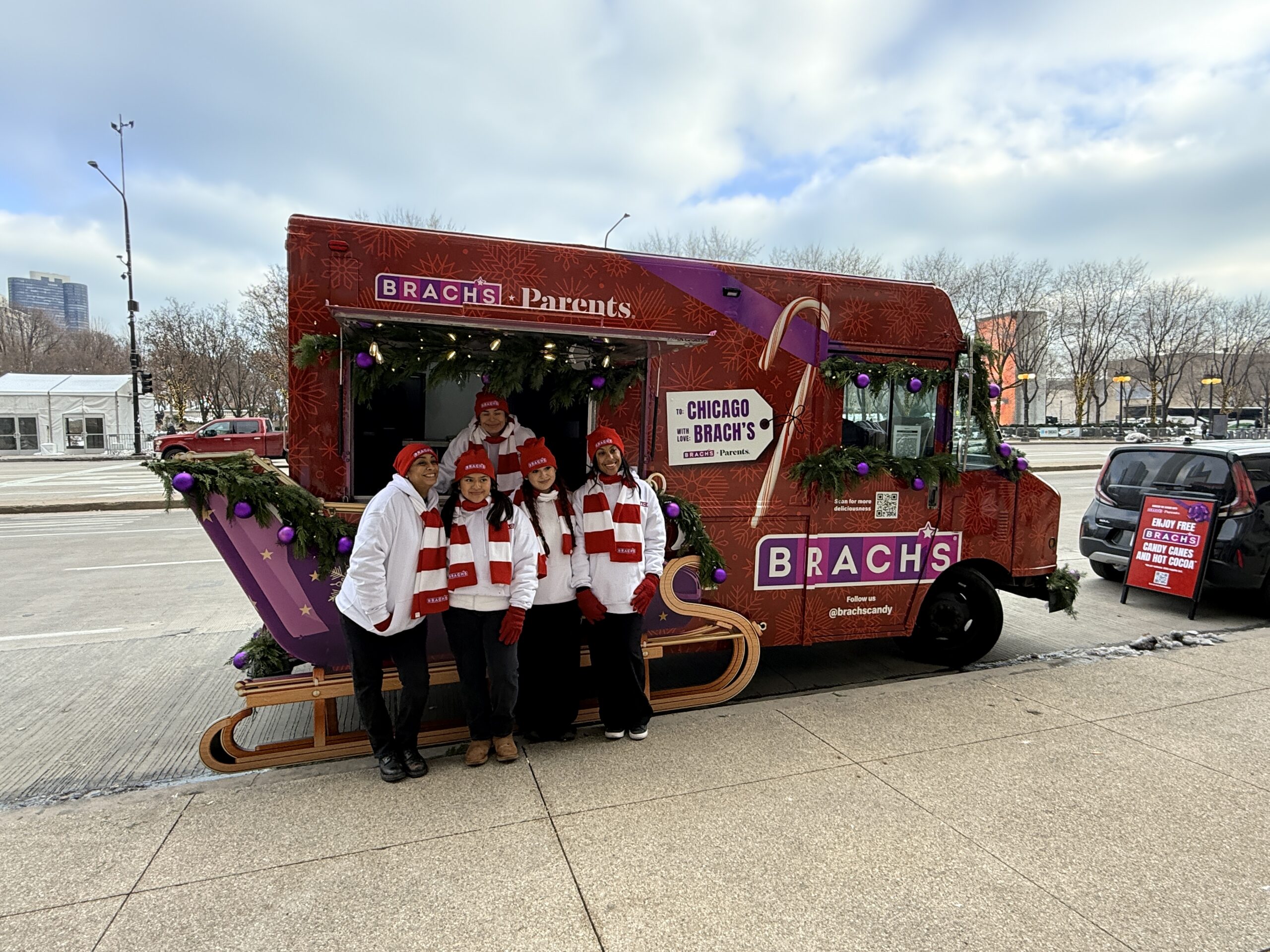
A brand activation closes the distance between hearing about a product and experiencing it. A sample handed out at the right moment, a demo led by a trained brand ambassador or a custom treat tied to the product’s story gives consumers a reason to engage on their own terms.
That experience works on three levels. It’s multisensory, so it builds stronger memories than a single impression. It creates trial, which removes the biggest barrier between a curious consumer and a first purchase. And it generates social content, because people photograph and share experiences they enjoy, extending the activation’s reach well beyond the people who attended.
The mechanics vary by goal. Branded food trucks and mobile vehicles bring the brand to the audience. Sampling programs get the product directly into hands. Brand ambassadors add the human conversation that turns a giveaway into a connection.
Activation Reaches Audiences on Their Own Terms
Some audiences don’t respond to traditional advertising because the advertising was never built with them in mind. Activation lets brands show up in the communities they want to reach, in a way those communities recognize.
When the Broadway play “Thoughts of a Colored Man” set out to build new audiences ahead of its Broadway debut, the production partnered with the YMCA of Greater New York to bring the show’s world to the Bronx and Brooklyn. The play’s central gathering place is a barbershop, so a glass-walled truck was built out as a working mobile barbershop. Over two days at the Castle Hill YMCA and the North Brooklyn YMCA, community members received free haircuts, food from a barbecue truck, merchandise and tickets to the show.
The activation didn’t explain the play. It recreated the experience at its heart and invited the community inside. The campaign later earned a Gold REGGIE Award.
Activation Connects Directly to Retail
Awareness only matters if it leads somewhere. Well-planned activations give consumers a clear next step, whether that’s a store visit, an app download or a purchase on the spot.
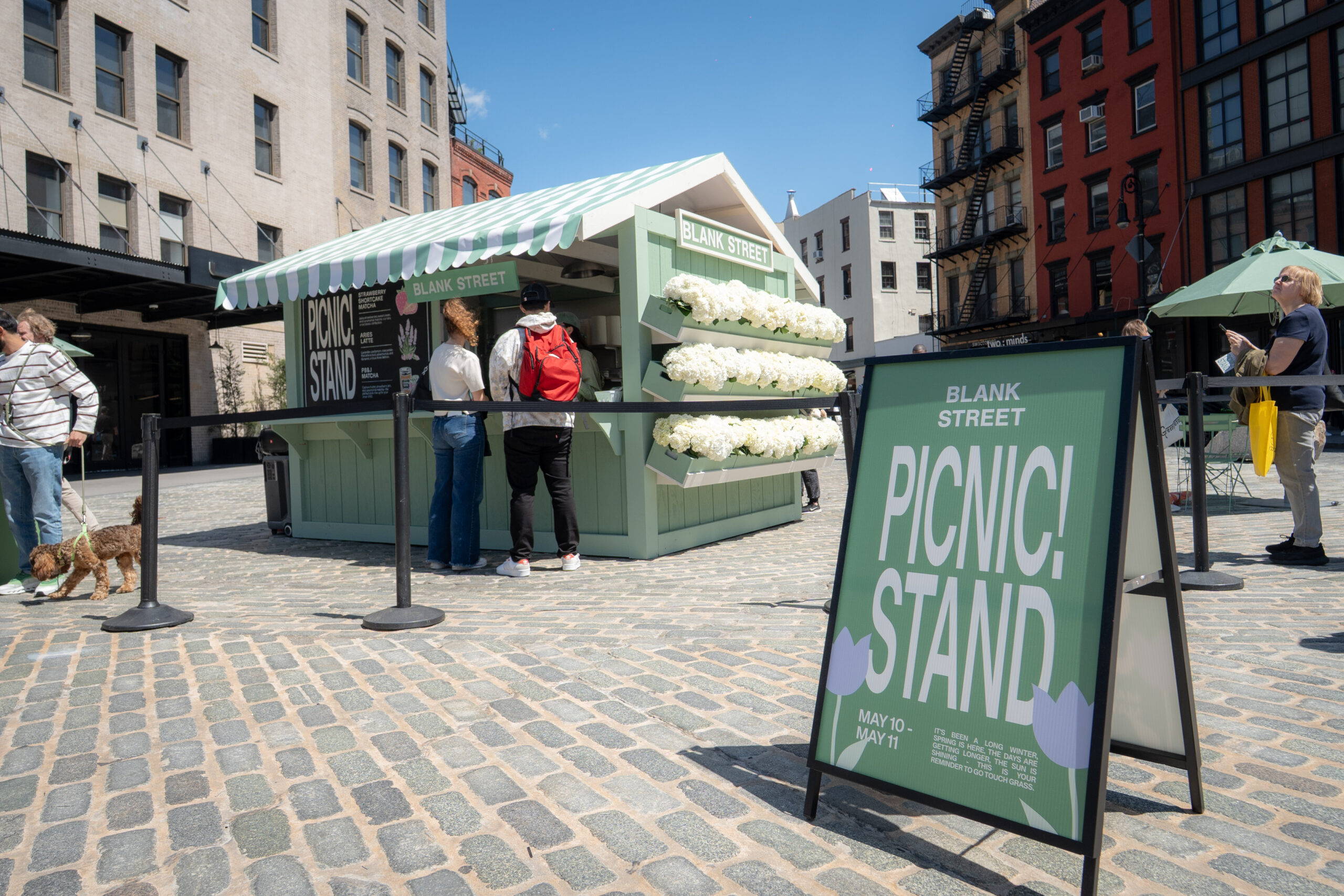
Gillette Venus and Rifle Paper Co. used that approach to celebrate the third year of their collaboration. A sampling food truck covered in thousands of flowers echoed the collection’s floral packaging and served thousands of custom, all-natural ice creams in three flavors developed for the campaign. Over one day in a Union Square pedestrian plaza and two days in SoHo, brand ambassadors talked guests through the collection and pointed them to Target, where the products were sold.
The truck drew attention to the packaging. The ice cream gave guests a reason to stay. And the retail callout turned that goodwill into a path to purchase.
Activation Captures Cultural Moments
Some of the most valuable marketing windows are short: a product launch, a holiday weekend, a premiere, a change in season. Paid media can be booked for those windows, but it competes with every other brand doing the same thing.
A brand activation lets a brand take part in the moment rather than advertise around it. A hot drink on the first cold morning of the season, a cold treat during a heat wave or a pop-up timed to a major event all feel relevant because they meet a real need at the right time. That relevance is hard to manufacture through a screen.
Timing also creates urgency. An activation exists for a set number of days in a set number of places, and that scarcity gives consumers a reason to show up now rather than later. It gives press and social audiences a reason to cover it while it’s happening, too.
Activation Earns Media Attention
Press coverage is rarely won by a press release alone. Editors and producers look for something visual, timely and tied to a story their audience cares about, and a well-designed brand activation can deliver all three.
A striking vehicle, a custom product or a celebrity appearance gives media outlets a reason to send a photographer or post a clip. Brands that plan for earned media from the start, with photo-ready moments, clear messaging and a press-friendly schedule, often see coverage extend the activation’s reach far past the people who attended in person.
Live Experiences Produce Content and Data
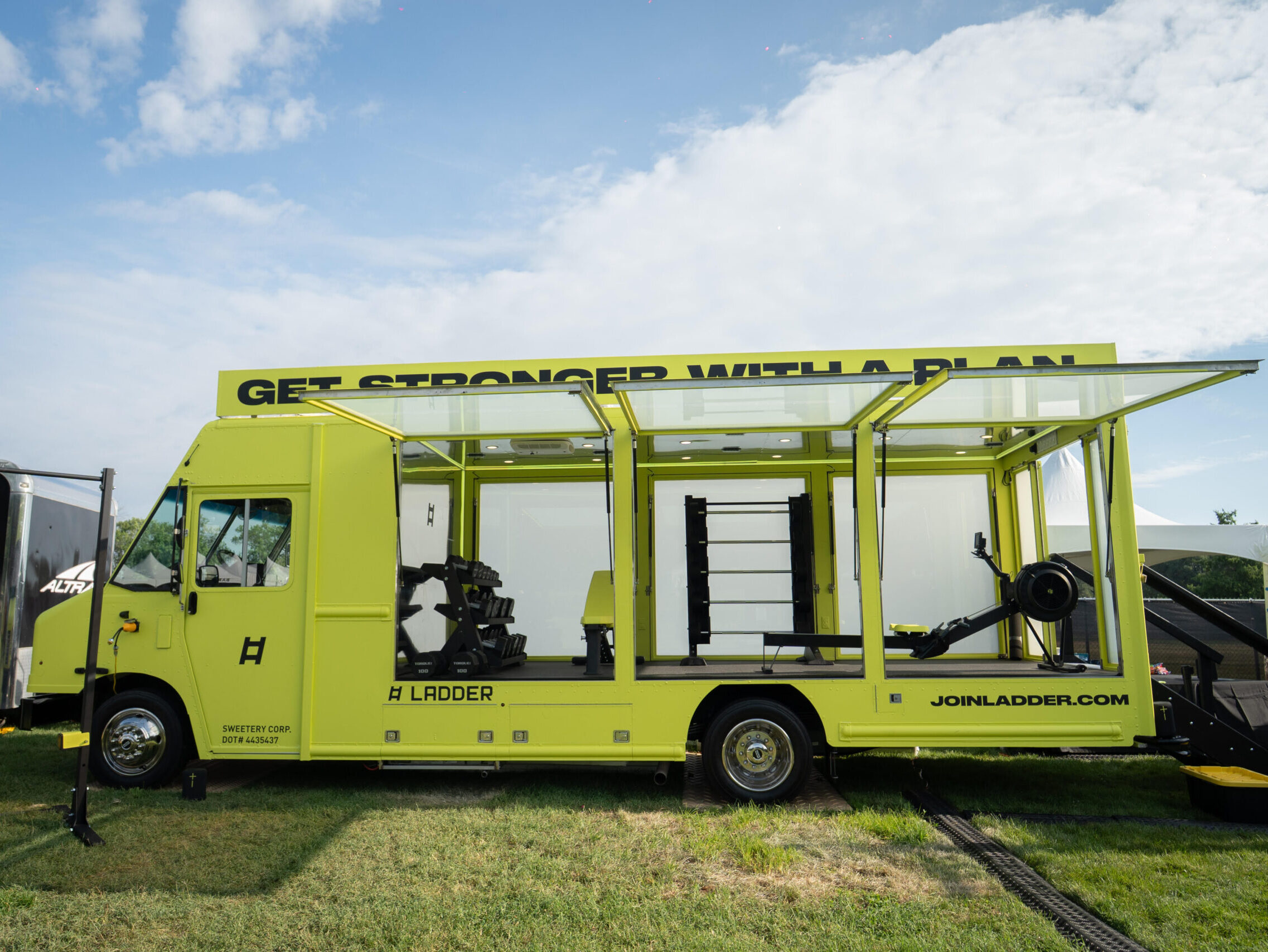
Activations generate assets that keep working after the event ends. Guests post photos and videos, giving brands authentic content no script could produce. Professional photography and videography capture material for paid social, press outreach and future campaigns.
Activations also produce data. QR codes, contest entries, sign-ups and sampling counts give brands measurable signals about who engaged and how. That information makes it easier to compare markets, refine messaging and plan the next campaign with more confidence. Over time, those numbers build a clearer picture of which markets, messages and moments deliver the strongest return.
Execution Determines the Result
Every reason above depends on execution. Permits have to be secured, products stored and handled properly, staff trained on the brand and contingencies planned for weather or crowd size. A strong idea paired with weak operations loses its impact quickly.
That’s why brands often bring in a brand activation company rather than building activations internally. The right partner handles location scouting, permitting, fabrication, culinary development, staffing and logistics as one coordinated plan, so the brand team can stay focused on the message.
An experienced partner also brings perspective. A team that has produced activations across categories and markets can spot problems early, recommend locations that fit the audience and point out where a campaign’s budget will do the most good.
When Other Channels Make More Sense
Activation isn’t the right fit for every objective. B2B brands targeting a small group of decision-makers may get better returns from account-based marketing, trade shows or direct outreach. Brands with a very limited budget may struggle to fund an activation properly, and an underfunded experience can undercut the brand it’s meant to promote. Products with long research cycles, such as major enterprise purchases, often depend on content and relationship building more than a single live moment.
The best plans treat activation as one part of a broader mix, used when a brand needs people to experience something firsthand.
Why the Investment Holds Up
Brands use activation campaigns because they solve a problem other channels can’t: turning awareness into experience. A consumer who has tasted, tried or stepped into a brand’s world remembers it differently than one who scrolled past an ad.
We’ve spent years helping brands make that shift as a brand activation company built around mobile experiences, custom culinary programs and the operations that hold them together. If your brand is weighing its next campaign, Partner With Us. Reach Kim Healing at kim@wearesweeter.com, and we’ll help shape the experience around your goals.