
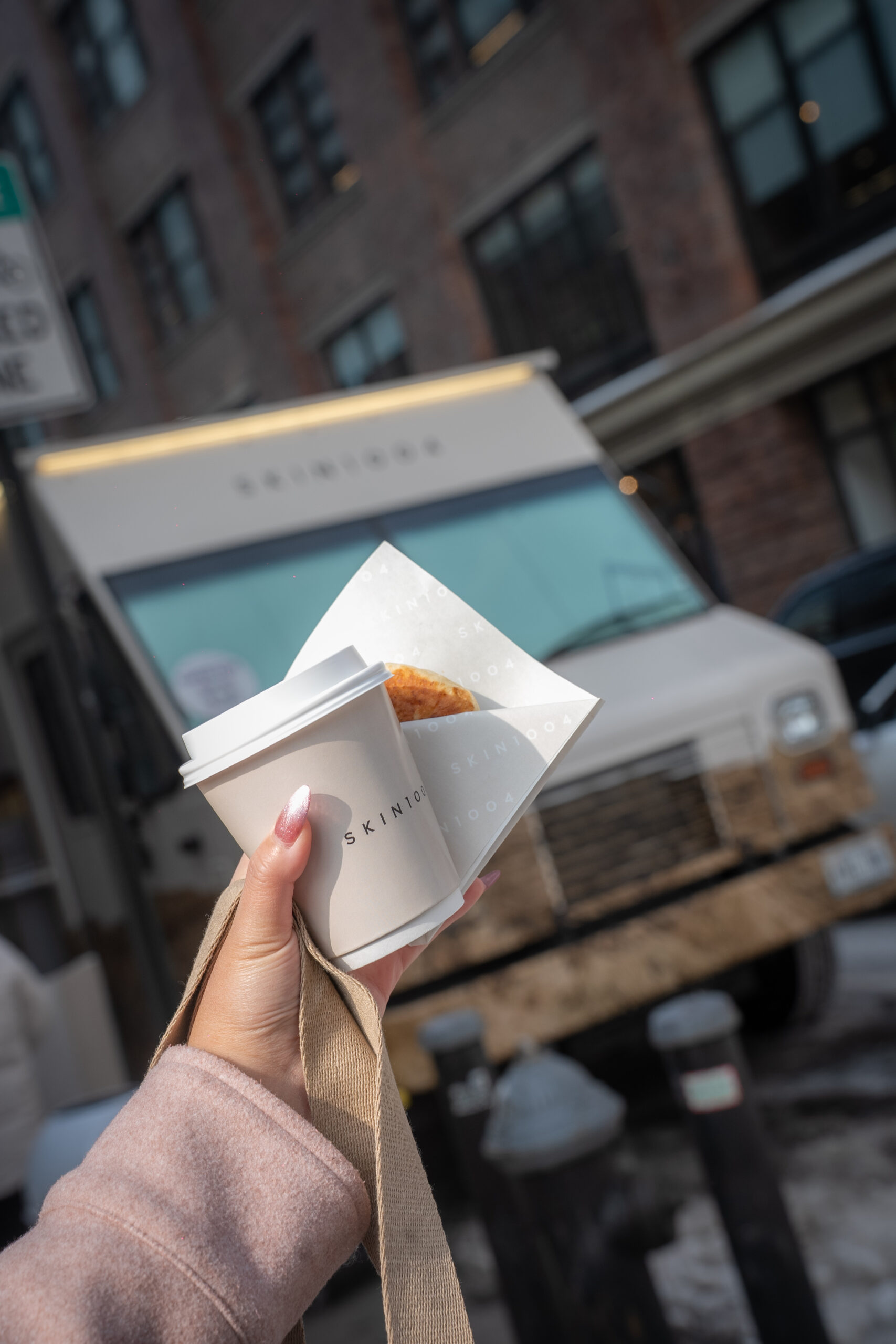
Most brand recognition strategies still rely on a familiar formula: repeat a logo, a color palette, and a tagline often enough, and eventually it sticks. That approach isn’t wrong, but it’s increasingly incomplete. Consumers are exposed to thousands of brand impressions a day, and pure repetition competes against an enormous amount of noise for a shrinking amount of attention. The brands building the strongest recognition today are supplementing repetition with something repetition alone can’t offer: a genuine, memorable experience that gives a consumer a reason to actually retain the brand instead of scrolling past it. Getting that mix right is quickly becoming one of the clearer differentiators between brands that stay top of mind and brands that simply stay present.
Why Repetition-Based Recognition Is Losing Ground
Traditional brand-building leans heavily on frequency, the assumption that enough exposure across enough channels will eventually create recall. That model worked better when media consumption was more concentrated and consumers had fewer channels competing for their attention. Today, a brand’s message is one of dozens a person encounters in any given hour, spread across social feeds, streaming ads, search results, and physical signage, and most of it gets filtered out before it registers at all. The sheer volume of competing messages means frequency alone increasingly buys less recall than it used to, even when the media spend behind it stays flat or grows.
The deeper problem is that repetition without a genuine moment of engagement builds familiarity, not necessarily recognition that a consumer can act on. A person might recognize a logo without being able to say what the brand actually stands for or why it matters to them. That’s a weaker form of recognition than the kind built through an actual interaction, and it’s far less likely to translate into a purchase decision when a consumer is standing in front of a shelf full of competing options and has only a few seconds to decide.
How Experiential Marketing Builds Recognition That Actually Sticks
Experiential marketing approaches brand recognition from a different angle entirely. Instead of asking a consumer to absorb a message passively, it creates a real, in-person moment, tasting a product, watching it made, interacting with a branded space, that a consumer actively participates in. Psychologically, experiences that involve multiple senses and direct participation are retained far longer than passive exposure to the same message. A consumer who samples a product from a branded food truck and has a genuine conversation with a brand ambassador is far more likely to remember that brand a month later than someone who scrolled past the same brand’s ad five times in a single afternoon.
This works through the same three mechanisms that make experiential marketing effective more broadly: multi-sensory engagement gives the brain more to encode into memory, direct trial replaces uncertainty with firsthand experience, and social sharing extends the moment’s reach to people who weren’t even there. Each of these reinforces recognition in a way that passive advertising simply can’t replicate on its own, and together they turn a single activation into something with a longer half-life than the event itself, since the content and word of mouth it generates keep circulating well after the truck has left the location.
Recognition Lift Is Measurable, Not a Guessing Game
Brand managers often treat recognition as a soft, hard-to-quantify benefit of experiential marketing, something nice to have alongside harder metrics like sales or leads. That undersells what’s actually trackable. Pre- and post-activation brand awareness surveys, branded hashtag usage, unprompted social mentions, and direct traffic increases to a brand’s website in the days following an activation all give a business a concrete read on whether recognition actually moved. A brand that treats recognition-building as a measurable outcome, rather than a vague byproduct of “getting out there,” is in a much stronger position to justify continued investment and to refine which activation approaches are actually working.

Consistency Across Touchpoints Reinforces What the Activation Started
A single brand activation, no matter how well executed, won’t build lasting recognition in isolation. The brands that see the strongest results treat experiential marketing as one part of a consistent visual and messaging system, one that carries the same colors, tone, and core message across the activation, the brand’s digital presence, and its packaging. When a consumer who sampled a product at an activation later sees the same visual identity on a shelf or in a social feed, the earlier experience reinforces recognition instead of starting from zero. Consistency is what turns a single memorable moment into a durable brand association, and it’s often the step brands skip, treating the activation as a standalone event rather than one touchpoint in a longer recognition-building sequence.
Repeat Exposure Within a Campaign Compounds Recognition Faster
A single activation in a single market builds some recognition, but a mobile marketing tour that returns to the same city multiple times across a campaign, or hits several neighborhoods within one metro area, compounds that effect considerably faster. Each touchpoint reinforces the last, and a consumer who encounters the same distinctive vehicle twice in one season is far more likely to remember the brand than someone who saw it once and never again. This is part of why route planning matters as much as vehicle selection when a brand activation program is built around recognition rather than a single splashy event: the sequencing and frequency of stops within a market can matter as much as the creative concept itself.
Distinctive Vehicles Create Recall Hooks Generic Ones Can’t
Not all experiential activations build recognition equally well. A generic branded truck or a standard tent blends into the background of an event alongside dozens of similar setups, while a distinctive vehicle—much like these real-world experiential marketing examples—gives a consumer something specific and unusual to anchor the memory to. That distinctiveness functions as a recall hook: months later, a consumer is far more likely to remember “the truck where I watched them make it” than “a brand activation at a festival.” Brands investing in a memorable vehicle, one that stands apart rather than blending into a wrapped-truck lineup, are investing directly in stronger long-term recognition.
Repetition Still Has a Role in the Recognition Strategy
None of this means traditional, repetition-based brand building should be abandoned. Digital advertising, consistent packaging, and steady social presence still matter for reaching broad audiences efficiently and staying visible between activations. For brands with narrow B2B audiences or extremely limited budgets, repetition-focused channels may remain the more practical primary strategy. The strongest approach isn’t choosing one over the other, it’s using repetition to maintain visibility and experiential marketing to create the specific, memorable moments that give that visibility real substance behind it.
Turning a Single Moment Into Lasting Recognition
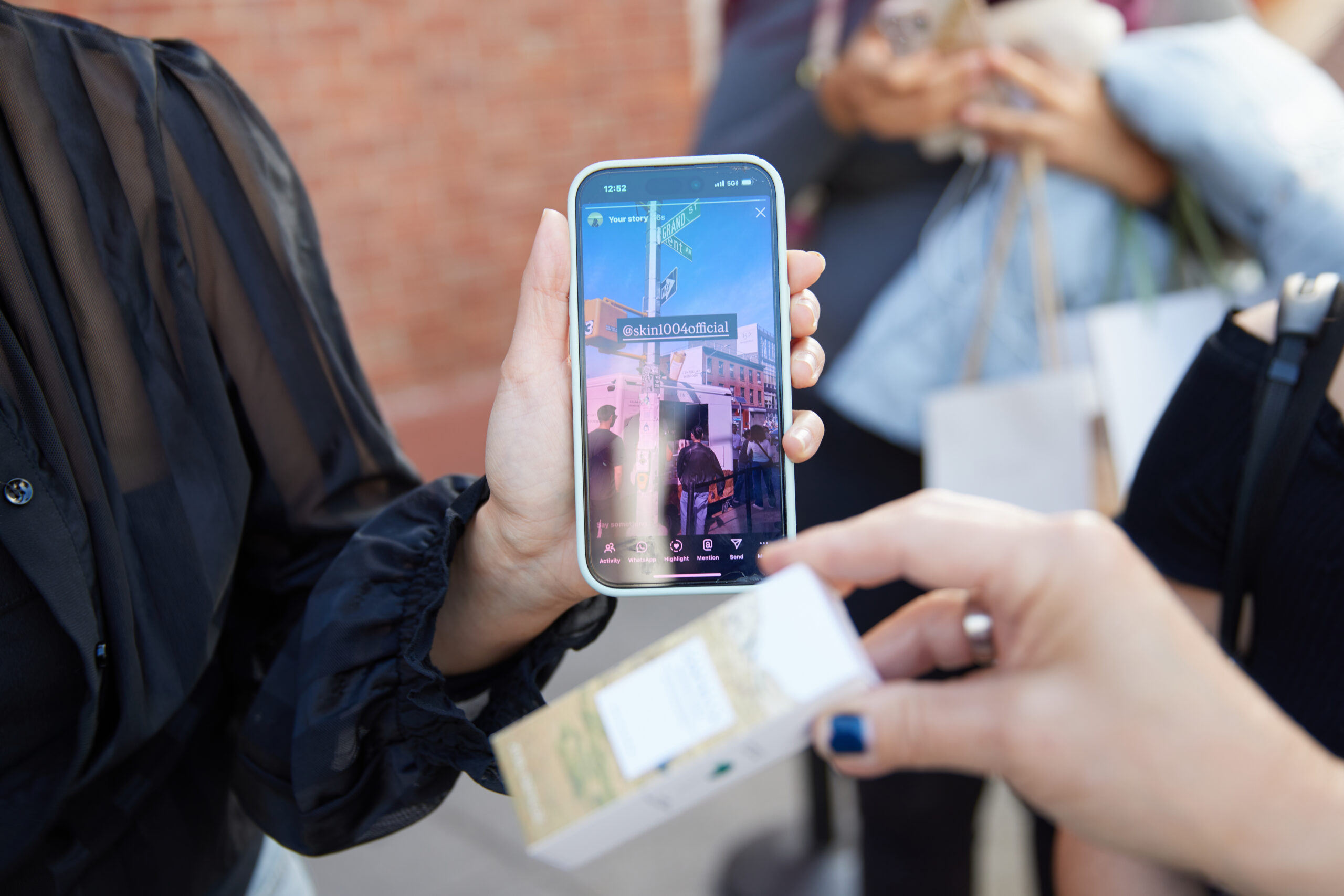
Brand recognition built purely on repetition creates familiarity without necessarily creating meaning. Experiential marketing closes that gap by giving consumers a genuine reason to remember a brand: a real interaction, a real taste, a real moment worth talking about afterward. Brands that pair a distinctive, well-executed activation—guided by fresh brand activation ideas—with a consistent identity across every other touchpoint are the ones building recognition that survives well past the day of the event itself, and that compounds with each additional activation rather than starting over each time.
If you’re ready to build a brand activation that actually sticks with your audience, we’d love to help. Reach out to our team at kim@wearesweeter.com to start the conversation.