

Every brand activation is built with the hope that people will remember it, but most don’t. A forgettable activation and a genuinely memorable one can use nearly identical budgets, similar vehicles, and comparable staffing, yet produce completely different results. The difference usually isn’t the amount spent. It’s whether the experience was actually designed around how memory works, rather than around what looks good in a planning deck. Understanding that distinction changes how a brand approaches every decision in the planning process, from vehicle selection down to the smallest detail of how a brand ambassador greets the first guest of the day.
Why Most Activations Are Forgotten Within Days
The typical brand activation focuses heavily on visual presentation: a well-wrapped truck, clean signage, a polished sample handoff. All of that matters, but none of it is enough on its own to create a lasting memory. Consumers are exposed to dozens of branded moments in any given week, at events, in stores, and across their social feeds, and most of those moments blur together because nothing about them was distinct enough to stand apart from the pattern. A well-executed but entirely conventional activation can still fail to leave a mark, simply because it looks and feels like every other activation the same person encountered that same week.
The deeper issue is that a purely visual, transactional interaction doesn’t give the brain much to hold onto. A person can sample a product, nod politely, and walk away without the moment ever becoming a real memory rather than a passing transaction. Building an activation that survives past the day it happens requires understanding what actually makes an experience stick, not just what makes it look good in the moment or photograph well for a recap deck.
The Psychology Behind What People Actually Remember
Memory researchers have long understood that novelty, emotion, and personal participation are the strongest predictors of what gets retained. A routine experience, even a pleasant one, tends to fade quickly because the brain doesn’t flag it as worth encoding into long-term memory. An unusual, emotionally resonant, or personally engaging experience gets flagged differently, and that distinction is exactly what separates a brand activation people forget by the next morning from one they’re still describing to a friend a month later. None of this is unique to marketing. It’s the same reason a person can recall a single unusual encounter from a vacation years later while forgetting most ordinary days from the same trip almost entirely.
This isn’t abstract theory for brand marketers. It translates directly into practical decisions: which vehicle to use, how staff are trained to interact with guests, and what kind of sensory details are built into the experience. A brand activation company that understands this science designs every element of an activation with retention in mind, not just visual appeal, treating the psychology of memory as a planning input rather than an afterthought layered on top of a finished concept.
Novelty Triggers Stronger Memory Encoding
An activation that looks like every other branded truck or tent at an event competes for attention against a backdrop of near-identical setups. A genuinely novel format, whether that’s a restored vintage vehicle, a glass-walled truck that turns preparation into visible theater, or an unconventional footprint like a branded motorcycle—much like these real-world experiential marketing examples—immediately signals to a consumer that this moment is different from the dozen other branded encounters they’ve had that week. That signal matters more than most brands realize, because novelty is one of the clearest triggers the brain uses to decide what’s worth remembering.

Emotional Resonance Outlasts Factual Messaging
Consumers rarely remember the specific facts delivered during a brand activation, a percentage discount, a product specification, a tagline, but they do remember how the moment made them feel. An activation built around genuine warmth, humor, surprise, or connection creates an emotional imprint that outlasts any factual message by a wide margin. This is why the best-run activations invest as much in staff training and tone as they do in physical design. A brand ambassador who creates a real, friendly moment of connection does more for long-term memorability than an ambassador who simply recites a script efficiently, no matter how polished that script sounds on paper.
Personal Participation Beats Passive Observation
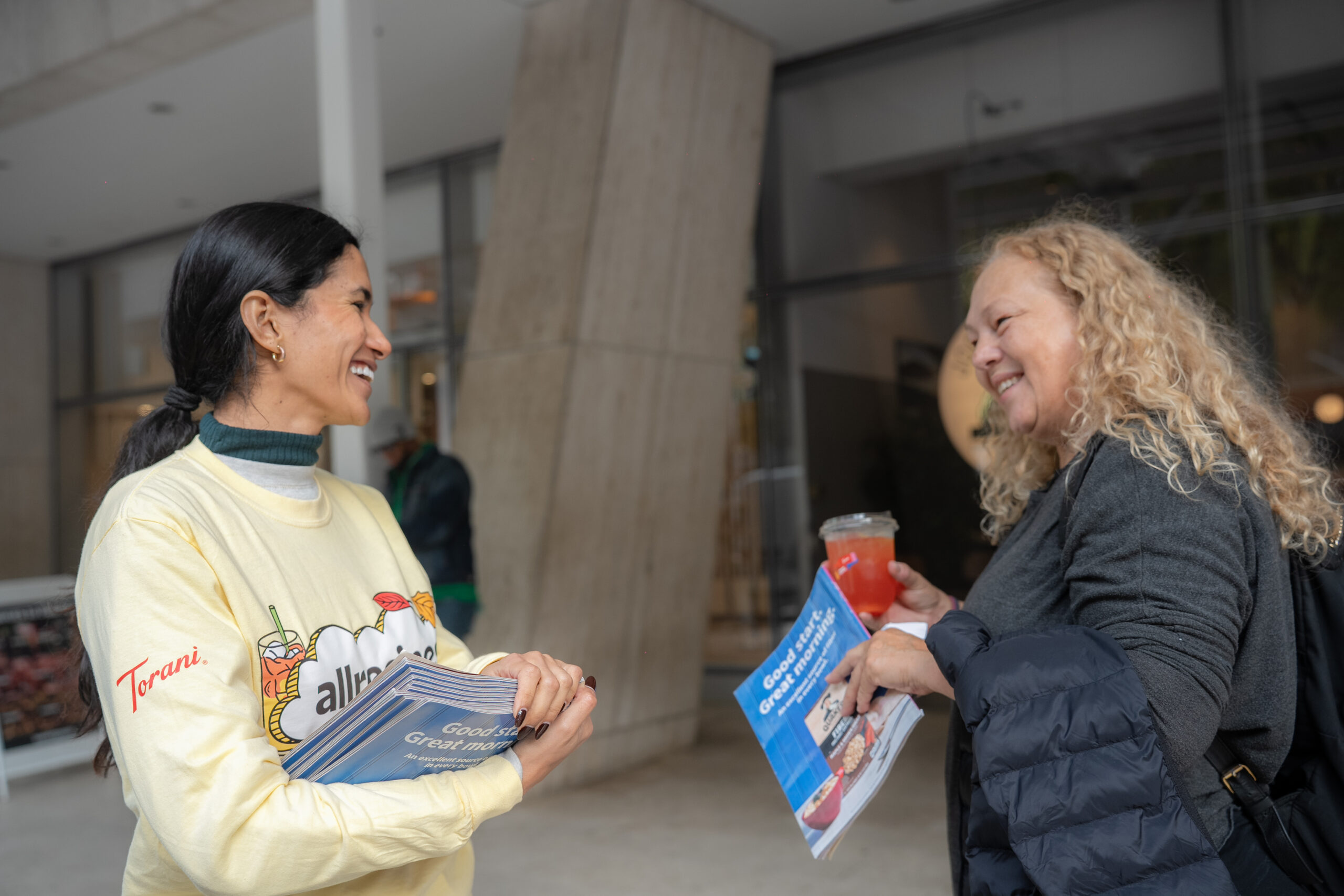
An activation someone watches from a distance is far less memorable than one they actively participate in. This is one of the clearest advantages a well-designed brand activation has over other marketing channels: it can ask a consumer to do something, taste something, touch something, answer a question, make a choice, rather than simply observe a message. That participation requirement is what turns a passive bystander into an active part of the memory itself, and it’s a big part of why experiential marketing consistently outperforms purely visual advertising on recall.
Shareability Extends the Memory Beyond the Moment
A memorable activation doesn’t just stick with the people who were physically there. When an experience is distinctive enough to photograph or describe to someone else, it gets a second life through word of mouth and social sharing, reinforcing the memory for the original guest while extending the brand’s reach to people who never attended. Brands designing an activation with this in mind, building in a genuinely photogenic or story-worthy moment rather than treating content as an afterthought, get meaningfully more mileage out of the same activation budget. That second life is often where an activation’s real return shows up, well after the event itself has ended and the content is still circulating on its own.
When Simplicity Beats Spectacle
It’s tempting to assume that memorability requires an elaborate, expensive production, but that’s not always true. Some of the most memorable brand activations succeed through a single, well-executed idea rather than a long list of features. A simple, genuinely delightful interaction, delivered consistently and with real warmth, often outperforms an overproduced activation that tries to do too much at once and ends up feeling scattered. Brands should resist the instinct to add complexity as a substitute for a clear, focused concept.
Where a More Traditional Approach Still Fits
Not every brand activation needs to chase maximum memorability at the expense of practicality. For straightforward sampling goals, tight timelines, or budget-conscious campaigns, a simpler, more conventional activation can still deliver solid results without the added investment a highly distinctive format requires. The goal isn’t to make every single activation an unforgettable centerpiece. It’s to understand which campaigns actually call for that level of investment and which ones are better served by a reliable, efficient approach.
Designing for Memory, Not Just for the Moment
A memorable brand activation isn’t an accident, and it isn’t purely a function of budget. It’s the result of deliberate choices grounded in how memory actually works: novelty over sameness, emotional connection over factual recitation, active participation over passive observation, and built-in shareability over an afterthought approach to content. Brands and agencies that design with these principles in mind—drawing from fresh brand activation ideas—consistently produce activations people are still talking about long after the truck has packed up and moved on to the next stop, and that lasting recall is ultimately what separates a good marketing spend from a genuinely worthwhile one.
If you’re ready to build a brand activation people actually remember, we’d love to help you design it. Reach out to our team at kim@wearesweeter.com to start the conversation.