

For years, food truck marketing meant one thing: wrap a truck, park it somewhere with foot traffic, and hand out samples until the product runs out. That model still works for a narrow set of goals, but it no longer represents what the category is capable of. The brands getting the strongest results from mobile activations today are working with an expanded fleet of marketing vehicles—similar to the concepts explored in our guide to brand activation ideas—each built to accomplish something a standard branded truck can’t. Understanding that shift is the difference between a mobile activation that generates a modest bump in awareness and one that becomes the centerpiece of an entire campaign, driving the kind of consumer engagement a brand can actually build a launch strategy around rather than treating as a nice-to-have addition to a bigger media plan.
Why the Old Model Underperforms Now
Digital ads remain the default first stop for most marketing budgets, and in-store displays still fill retail floors, but both tactics face a problem that’s only gotten worse: audiences have gotten skilled at tuning them out. A banner ad registers as an ad before anyone reads it. A shelf display competes with dozens of others for a shopper’s split-second attention. Even a standard branded food truck, once a novelty, now blends into a category that’s become crowded with lookalike vehicles offering the same wrap-and-window setup. Scroll fatigue and banner blindness are measurable phenomena at this point, not marketing buzzwords, and they apply just as much to a static branded vehicle parked in the same configuration brands have used for a decade.
The deeper issue is that none of these tactics create a genuine trial experience. A consumer can see an ad or walk past a display without ever touching, tasting, or physically interacting with a product. Experiential marketing exists specifically to close that gap, and mobile marketing vehicles are its most flexible tool, because they can carry the brand experience directly to wherever the target audience already is instead of waiting for that audience to arrive somewhere. A brand running a national product launch strategy built entirely around digital and in-store tactics is relying on channels an audience has learned to filter out by default, while a well-planned mobile marketing tour reaches that same audience at a moment when their attention hasn’t already been claimed by a dozen competing messages.
What a Broader Vehicle Category Actually Unlocks
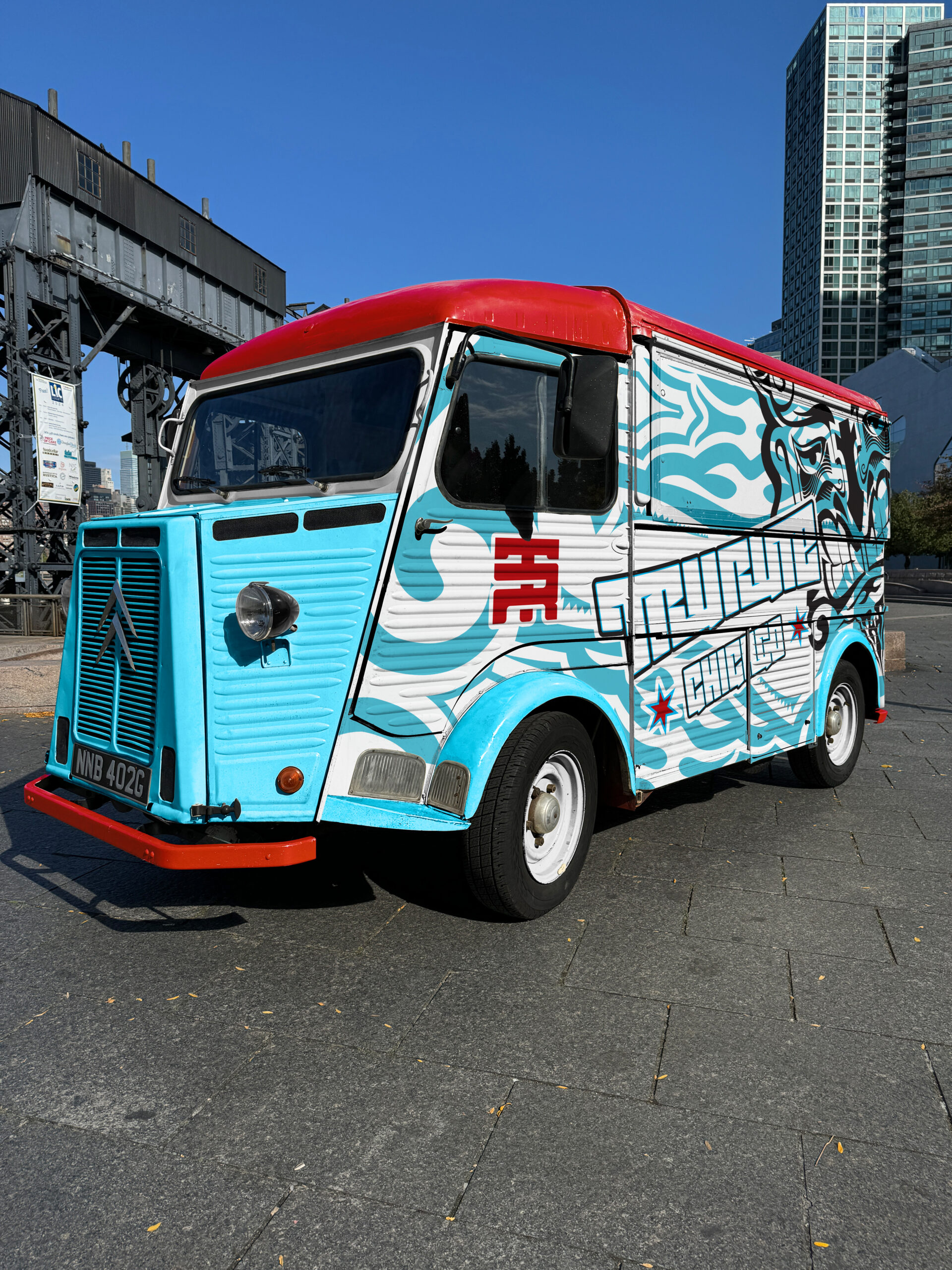
The phrase “food truck marketing” undersells what’s now possible on wheels. A modern marketing vehicle fleet includes glass-walled trucks that turn product preparation into visible theater, Airstream trailers built out as full walk-in retail spaces, and vintage vehicles—much like these real-world experiential marketing examples—that draw attention through genuine design history, and smaller-footprint options like sampling carts and branded motorcycles for high-agility campaigns. Each format solves a different problem, and brands that treat the category as one-size-fits-all are leaving real engagement on the table. A brand launching a premium product with a story worth telling needs a very different vehicle than one running a high-volume sampling push across a dozen markets in a single summer, and conflating the two leads to a mismatched activation that underdelivers on whichever goal actually mattered most.
This matters because experiential marketing works through three mechanisms that traditional advertising can’t replicate at once: multi-sensory engagement, genuine product trial, and organic social amplification. A well-matched marketing vehicle delivers all three simultaneously. A consumer doesn’t just see the brand, they taste the product, watch it prepared, or step into a fully branded space, and then they document the experience themselves because it was distinctive enough to be worth sharing. That combination is difficult to manufacture through any single-channel tactic, digital or otherwise, because it depends on physical presence and a real moment of interaction that a screen simply can’t replicate.
Vehicle Type Should Match Campaign Objective
The biggest mistake brands make in food truck marketing is choosing a vehicle based on availability or aesthetics rather than the actual goal of the campaign. A launch built around trial volume needs a vehicle optimized for fast, simple service, not an elaborate build that slows every transaction down. A campaign built around brand storytelling or premium positioning needs something with more visual and experiential depth. Matching the vehicle to the specific outcome a brand is chasing, rather than defaulting to whatever’s easiest to book, requires knowing how to budget for an experiential marketing campaign effectively. This decision should happen before creative development starts, not after, since the vehicle itself shapes what kind of brand activation is even possible within a given footprint and budget.
Interior Access Changes the Depth of Engagement
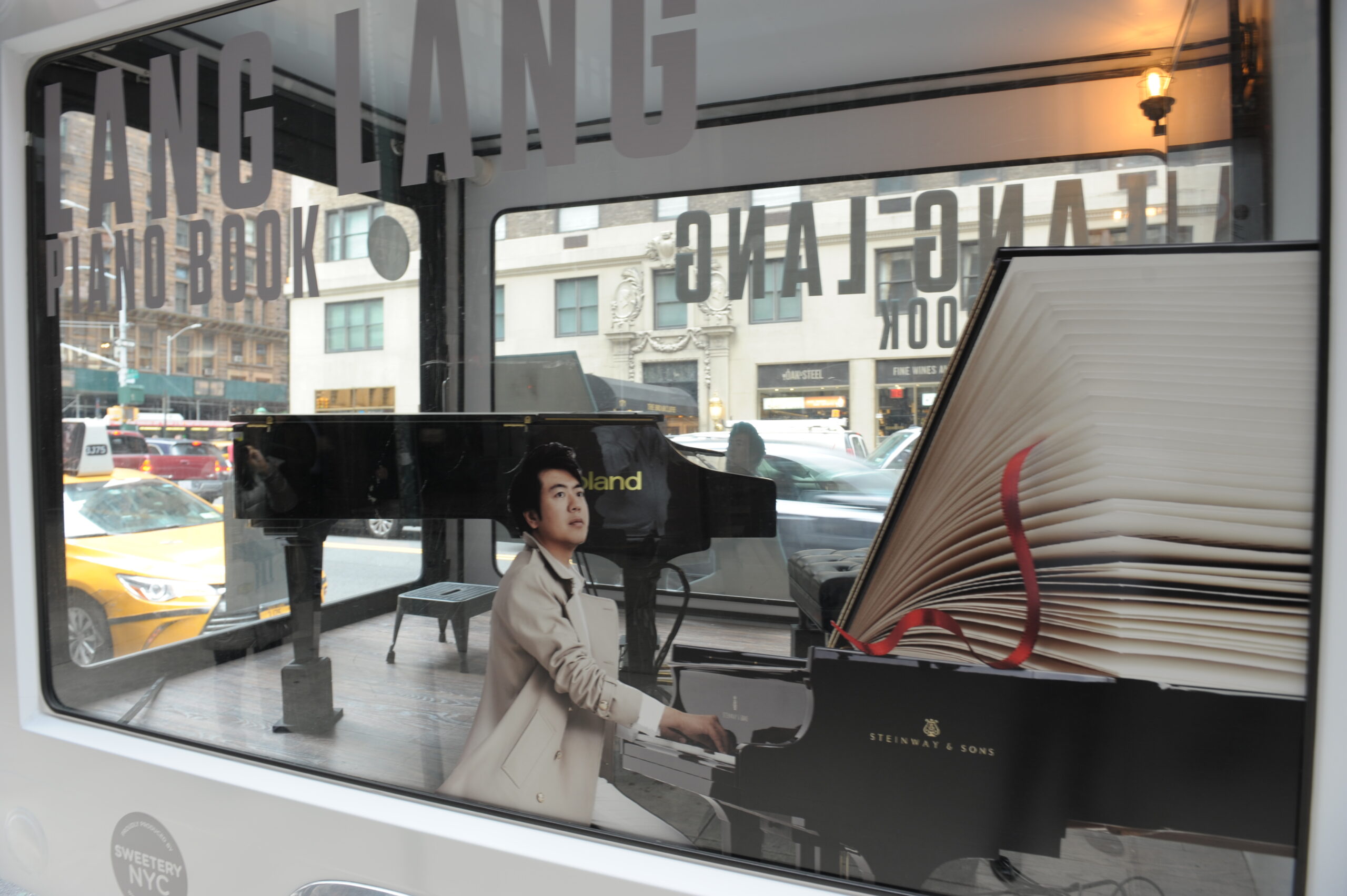
Some marketing vehicles, most notably Airstream trailers and glass-walled box trucks, allow consumers to physically step inside the vehicle rather than interacting through a service window. That distinction matters more than it might seem. An interior experience gives a brand control over lighting, product staging, signage, and pacing in a way that a curbside interaction never can, turning a quick sample handoff into several unhurried minutes of immersive brand exposure. For product launches, retail-style pop-up activations, or campaigns built around a premium brand story, that depth of engagement is often the difference between a forgettable stop and a memorable one.
Distinctive Vehicles Outperform Generic Wraps
As more brands compete for the same limited pool of consumer attention, a standard wrapped truck increasingly struggles to stand out against the growing number of other standard wrapped trucks at the same events. Vehicles with genuine visual distinctiveness, whether that’s a restored vintage vehicle, a glass-walled build that puts the brand’s process on display, or an unconventional format like a branded sampling motorcycle, draw attention before a single word of messaging has been delivered. That first-glance differentiation compounds throughout the entire interaction, since a consumer who’s curious about the vehicle itself is already primed to engage before an ambassador says anything.
A Distinctive Vehicle Is Also a Content Engine
Every marketing vehicle activation now doubles as a content opportunity, whether a brand plans for that or not. Consumers photograph and post branded vehicles regardless of whether a campaign was designed with social amplification in mind, which means the vehicle itself functions as a piece of creative long before any paid promotion touches the activation. A generic wrapped truck generates some of this organic content, but a genuinely distinctive marketing vehicle, one with an unusual silhouette, a visible interior experience, or a design history worth explaining, generates measurably more. Brands that factor this into vehicle selection are effectively building a content strategy into their mobile marketing tour from day one, rather than hoping social amplification happens as an afterthought once the activation is already underway.
Where Traditional Food Truck Marketing Still Makes Sense
None of this means the standard branded food truck has lost its place. For straightforward sampling goals, single-market activations, or brands working with tighter budgets, a well-run traditional food truck remains one of the most cost-efficient tools in the experiential marketing toolkit. It’s fast to get on the road, familiar to consumers, and doesn’t require the buildout investment that a more elaborate marketing vehicle demands. Brands running a quick, budget-conscious sampling push in a single city rarely need the added complexity of an interior buildout or a heritage vehicle’s higher fabrication and maintenance costs. The point isn’t that every brand needs a glass-walled truck or a restored vintage vehicle. It’s that brands should be choosing deliberately from the full range of options rather than defaulting to the same setup out of habit, and that decision should start with the campaign’s actual goal rather than with whichever vehicle happens to be easiest to book on short notice.
Building a Mobile Marketing Strategy, Not Just Booking a Truck
Food truck marketing has evolved from a single tactic into a category of options, proving essential for brands focused on mobile product launch strategies tailored to each specific activation goal. Brands that treat vehicle selection as a strategic decision, tied directly to campaign objectives and audience expectations, consistently get more out of their mobile marketing tour investment than those who simply book whatever’s available. As consumer engagement continues shifting toward experiences that feel earned rather than advertised, the brands willing to think beyond the standard truck are the ones building the strongest connections with their audiences.
Ready to figure out which marketing vehicle fits your next campaign? We’d love to talk through your goals and help you build a mobile activation strategy that actually delivers. Reach out to our team at kim@wearesweeter.com to start the conversation.