
Food trucks earned their place in marketing for a simple reason: people stop for free food. A branded truck handing out samples has always been one of the most direct ways to put a product in front of consumers, and it still works.
But food truck marketing has grown well past the sampling table. Brands now use branded food trucks as stages, rolling billboards, custom culinary showcases and content studios. The same vehicle that hands out a snack can anchor a product launch, a television premiere or a celebrity appearance.
Understanding that range helps brands choose the right level of ambition for each campaign. Here’s how food truck marketing works at every stage, from the first sample to the full experience.
Why Food Changes the Conversation
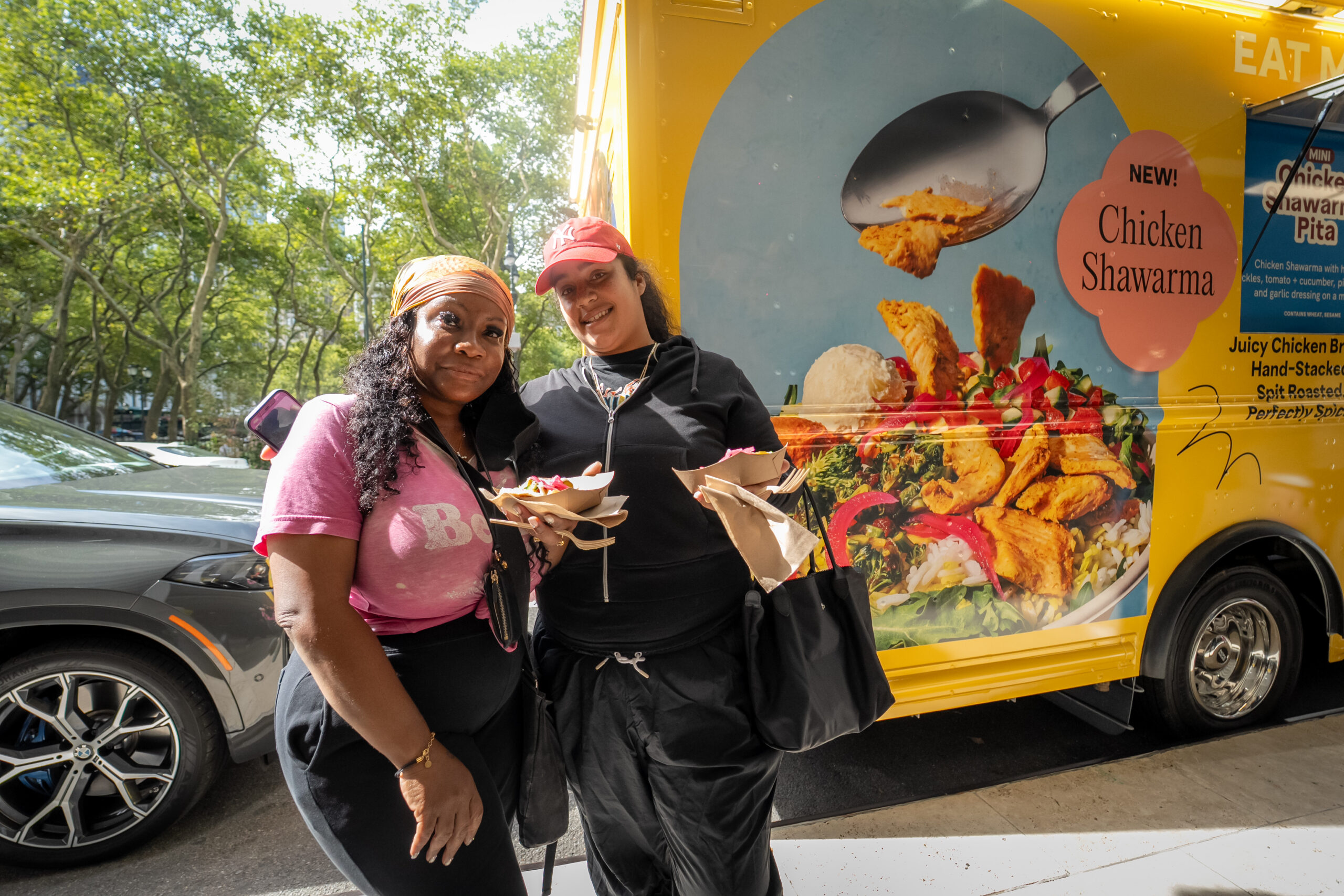
Most advertising asks consumers for attention without offering anything in return. Food reverses that dynamic. A free coffee on a cold morning or a cold treat on a hot afternoon reads as a gift, and people respond to gifts with goodwill. That goodwill often turns into curiosity about the brand behind the gift, which is exactly the opening a marketer needs.
Food also slows people down. A guest waiting for a sample or eating it nearby spends minutes with the brand instead of seconds. That time gives brand ambassadors room to start a conversation, explain the product and point the guest toward a next step.
And food is inherently shareable. A well-designed cup, a custom treat or a striking truck wrap gives guests something worth photographing, extending the campaign’s reach into their social feeds.
Level One: Sampling With Purpose
The foundation of food truck marketing is sampling. For food and beverage brands, the product itself is the sample. For brands in other categories, a branded giveaway creates the same goodwill and carries the brand’s message along with it.
The difference between effective sampling and a giveaway that fades comes down to targeting. The best sampling programs choose locations based on exactly who the brand needs to reach. A truck parked outside a gym, a college campus or an office tower reaches very different people, and the product, message and timing should shift to match.
When Netflix promoted the premiere of its docuseries “Emergency NYC,” a follow-up to “Lenox Hill,” the producers worked with Sweeter through their agency to bring a branded promotional truck to the hospitals at the heart of the story. The truck stopped at two of Lenox Hill’s main Manhattan campuses and spent time outside a rival hospital as well. Brand ambassadors handed out hundreds of hot coffees in branded cups, along with branded water bottles, keepsake koozies and protein bars, while an audio-visual setup played the show’s trailer.
The audience was precise: health care workers and the people around them, the same community the series portrays. A cup of coffee for someone coming off a long shift carried the premiere’s message further than a generic sampling stop could.
Level Two: Custom Culinary and Design
The next stage goes beyond handing out an existing product. Brands develop custom food and beverage tied to their story, then pair it with truck design and packaging that reinforce the campaign.
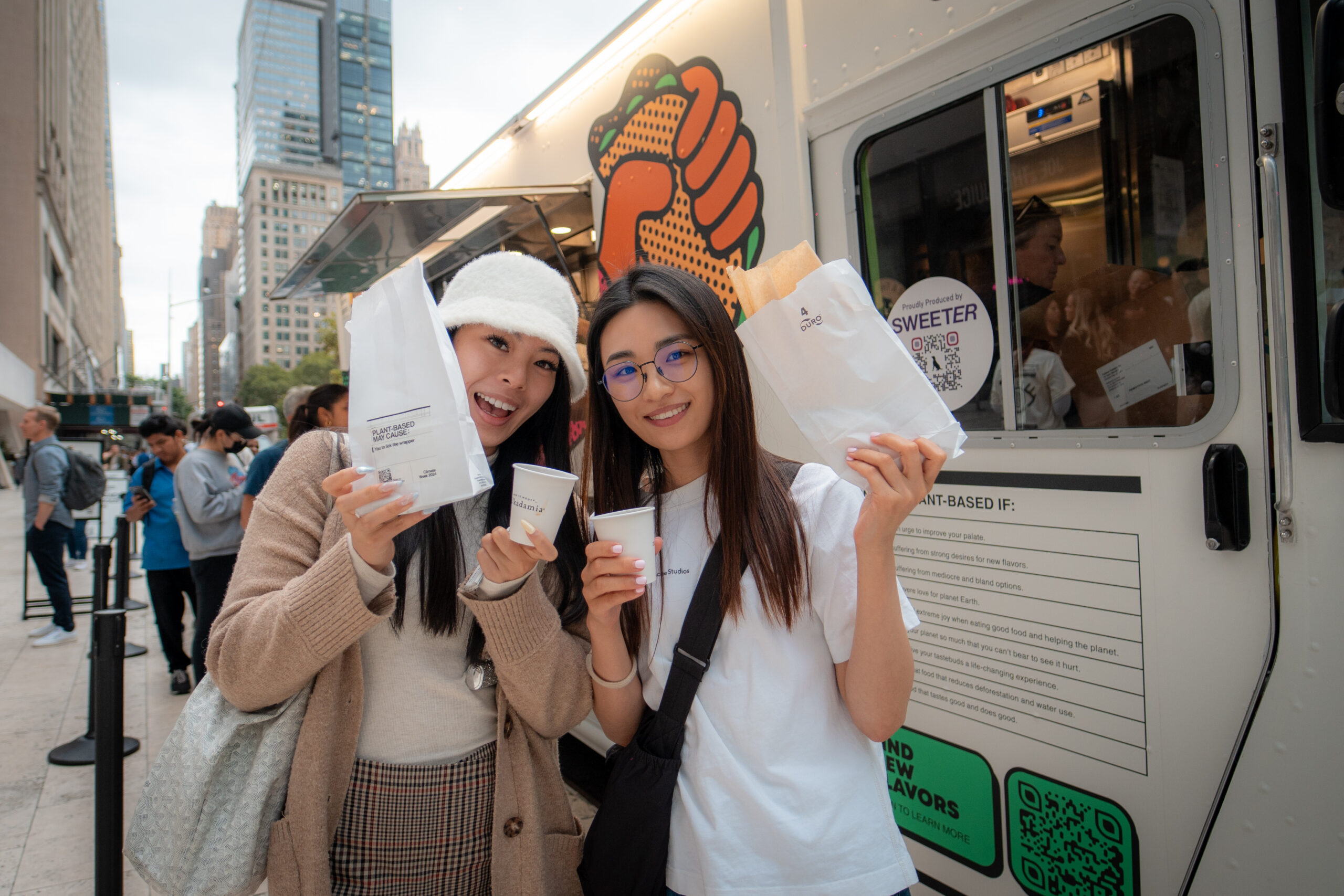
Custom culinary work turns a sample into a brand expression. A flavor created for a launch, a treat made in the brand’s colors or a dish tied to a show’s setting gives guests something they can’t get anywhere else, which makes the experience easier to remember and more likely to be shared. Branded cups, napkins, wrappers and signage carry the campaign into every photo.
Culinary development also has to account for service. A menu item needs to hold its quality through transport and a long service window, and it has to be served fast enough to keep the line moving.
Truck design matters just as much. A wrap built around the brand’s visuals turns the vehicle into a large-format billboard before a single sample is served, drawing people in from down the block. Sound, screens and custom props can extend that presence even further.
Level Three: The Truck as a Stage
At the highest level, the food truck becomes the centerpiece of a full brand experience, combining food, entertainment, talent and media.
Capitol Music needed to celebrate the launch of Katy Perry’s single “Bon Appétit” on short notice. In less than two weeks, Sweeter produced a Times Square takeover built around a custom-branded cherry pie truck. The team designed the cherry-themed wrap and custom food packaging, sourced 6,000 individual cherry pies and brought in a DJ with a full audio setup. Katy Perry appeared at the truck as thousands of fans gathered for pies.
The production required permitting in a Times Square plaza, including special coordination with the Office of the Mayor, the NYPD and the Times Square Alliance, plus a dozen security agents working alongside the artist’s own detail and the NYPD.
Food was still at the center, but the truck functioned as a stage, a set and a billboard at once.
Choosing Where and When the Truck Shows Up
Location strategy is where food truck marketing succeeds or stalls. The same truck can draw a line around the block in one spot and sit idle a few blocks away, so site selection deserves as much attention as the menu.
The right location depends on the audience. Office workers gather at lunch near business districts. Shoppers fill retail neighborhoods on weekends. Fans cluster around venues before events. Matching each stop to the audience’s routine puts the truck in front of the right people at the moment they’re most open to stopping.
Timing works the same way. Hot drinks land best on cold mornings, and frozen treats on hot afternoons. Planning the menu around the season and the hour makes every serving feel like the right offer at the right time.
Measuring the Results
Food truck marketing produces more measurable data than many brands expect. Serving counts show reach at each stop. QR codes, contest entries and sign-ups capture contact information and track online actions taken on site. Social mentions and tagged posts show how far the content traveled after guests left.
Setting goals for these numbers before the campaign begins makes each one more useful. A brand focused on trial might track servings per hour, while a brand focused on growing its audience might prioritize sign-ups or app downloads. Either way, the data turns a single day of activity into insight for the next campaign.
What Separates Strong Food Truck Marketing
At every level, the same operational fundamentals decide whether a campaign succeeds. Locations must be scouted and permitted, often with multiple agencies involved. Food has to be prepared, stored and served safely, and quickly enough to keep lines moving. Brand ambassadors need to know the product and the message. And the plan needs room for weather, crowd surges and last-minute changes, from backup power and extra inventory to alternate locations if a site falls through.
Brands that treat these details as part of the creative plan, rather than an afterthought, get more from every serving.
When Food Truck Marketing Isn’t the Right Fit
Food trucks aren’t the answer for every campaign. Brands targeting a narrow professional audience may reach it more efficiently through trade events or direct outreach. Products that require extended demonstration or private consultation may be better served by a glass box truck, a showroom or a dedicated event space. And campaigns that need national reach in a single day may lean on digital media, reserving live activation for key markets.
Food truck marketing works best when a brand wants direct, in-person contact with consumers and a reason for them to stop.
From the First Sample Forward
Food truck marketing has always started with a simple exchange: the brand offers something good, and people stop to receive it. What’s changed is how much brands can build on that moment, from targeted sampling to custom culinary programs to full productions with talent and live music.
Our team develops food truck marketing programs at every one of those levels, with in-house culinary development, design, permitting and staffing behind each one. If your brand is planning its next launch, Bring Us Into the Conversation Early so we can build the right experience from the start. Reach Kim Healing at kim@wearesweeter.com.