
Marketing budgets rarely move in one direction across every category at once, which is what makes this year’s shift notable. Experiential marketing spending is projected to reach $128.4 billion globally, and a majority of companies are increasing their experiential budgets rather than holding steady or cutting back. That is not a marginal adjustment. It reflects a change in how finance and marketing leaders are weighing physical brand experiences against every other line item competing for the same dollars.
The stakes for brands watching from the sidelines are straightforward. Budget increases of this size tend to reset what “competitive” looks like within a category. A brand that held its experiential spending flat while competitors expanded theirs is not staying in place. It is losing ground in the channel where consumers increasingly form their strongest impressions of a brand.
Understanding why the money is moving matters more than simply knowing that it is. The answer comes down to what experiential delivers that other channels increasingly cannot.
Why Digital-First Budgets Are Hitting a Ceiling
For much of the past decade, digital advertising absorbed the largest share of marketing budget growth because it offered something traditional media could not: precise targeting and measurable performance. That advantage has eroded. Rising costs per impression, increasing consumer ad fatigue, and tightening privacy regulation have made digital channels less efficient than they once were, even as budgets allocated to them stayed high out of habit rather than results.
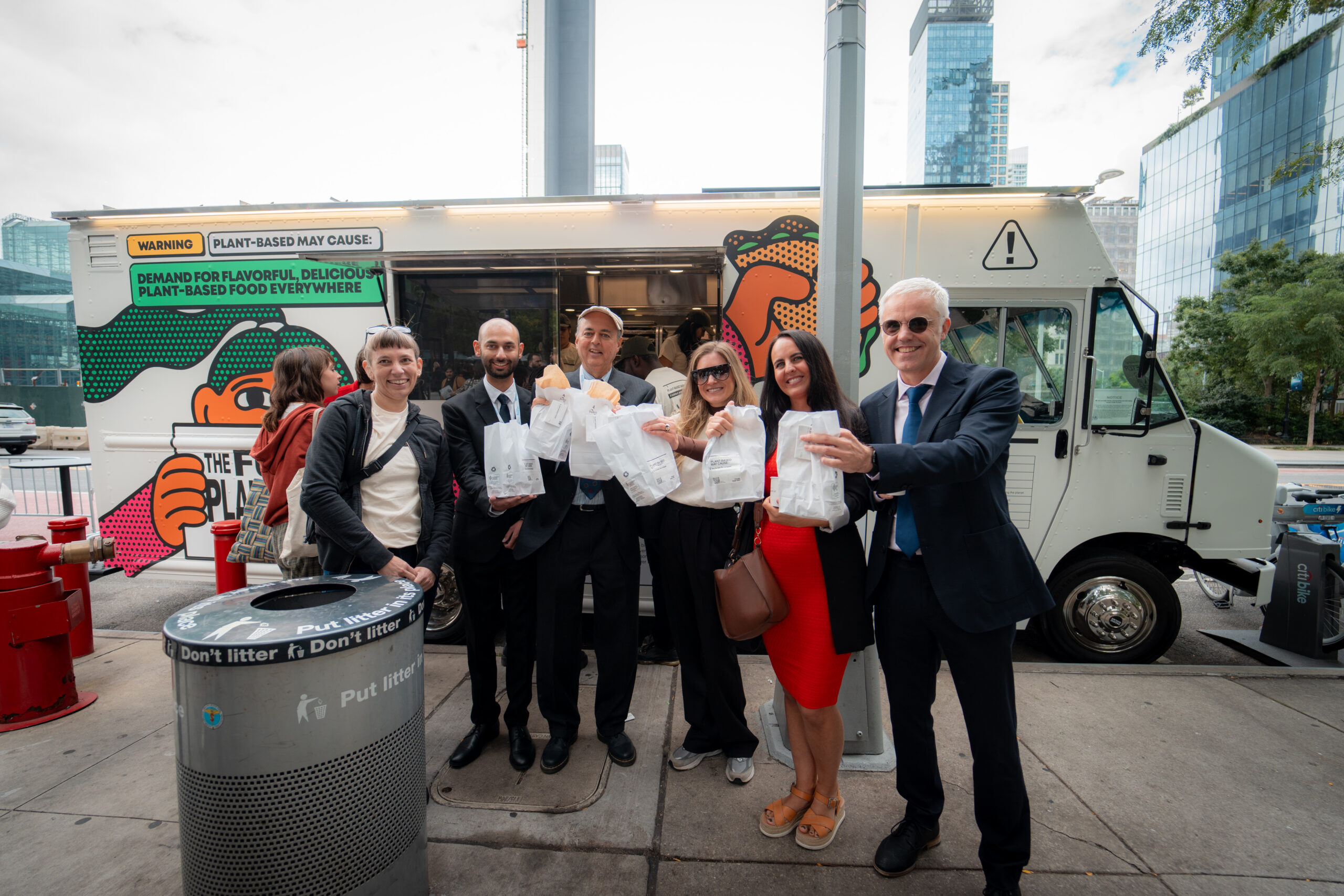
At the same time, consumers have grown skilled at filtering out digital advertising almost automatically. A banner ad or sponsored post competes for attention against dozens of other messages in the same scroll. A physical brand activation does not have that competition. It occupies a moment fully, without a feed to scroll past or a tab to close.
This is not an argument that digital spend should disappear. It is an argument that the marginal dollar added to an already-saturated digital budget produces less than that same dollar would produce funding a physical moment a consumer cannot simply ignore. Marketing leaders reallocating budget toward experiential are, in many cases, following the return on that marginal dollar rather than abandoning digital altogether.
What’s Driving the Increase in Experiential Spend
The budget shift is not simply a reaction against digital fatigue. It reflects a positive case for what experiential marketing delivers on its own terms.
Brands Are Prioritizing Trust Over Reach
Consumers increasingly trust what they experience directly over what they are told through advertising. A product sampled in person, a brand ambassador answering a real question, or a limited activation that required showing up to participate in, builds a form of trust that repetition-based advertising cannot replicate. Finance leaders approving larger experiential budgets are, in effect, buying credibility rather than just impressions.
Fortune 1000 Brands Are Setting the Pace
Nearly three-quarters of Fortune 1000 marketers expect to increase experiential spending this year. When brands of that size shift budget allocation, mid-market and challenger brands in the same categories tend to follow, both because competitive pressure demands it and because it validates experiential as a core budget line rather than a discretionary one.
Measurement Has Caught Up to the Channel
Experiential marketing was historically harder to justify on a spreadsheet than digital advertising, since a memorable in-person moment did not always translate into a clean attribution model. Better data collection at activations, from sampling redemption tracking to post-event engagement metrics, has closed much of that gap, giving finance teams the reporting they need to approve larger budgets with confidence.
Brand Loyalty Is Increasingly Built Offline
Marketers are finding that the relationships formed at physical activations, brand ambassador conversations, direct product trial, community event presence, tend to produce stronger repeat engagement than digital touchpoints alone. Budgets are following that pattern, shifting dollars toward the channel shown to build lasting brand relationships rather than one-time clicks.
That distinction shows up clearly in repeat purchase data. A consumer who samples a product from a brand ambassador who answered their questions, or who returns to a mobile activation a second time because the first visit stuck with them, is a different kind of customer than one who scrolled past an ad. Marketing leaders approving bigger experiential budgets are increasingly citing that difference in loyalty and repeat behavior as the deciding factor, not just top-line reach.
When a Smaller Experiential Budget Still Works
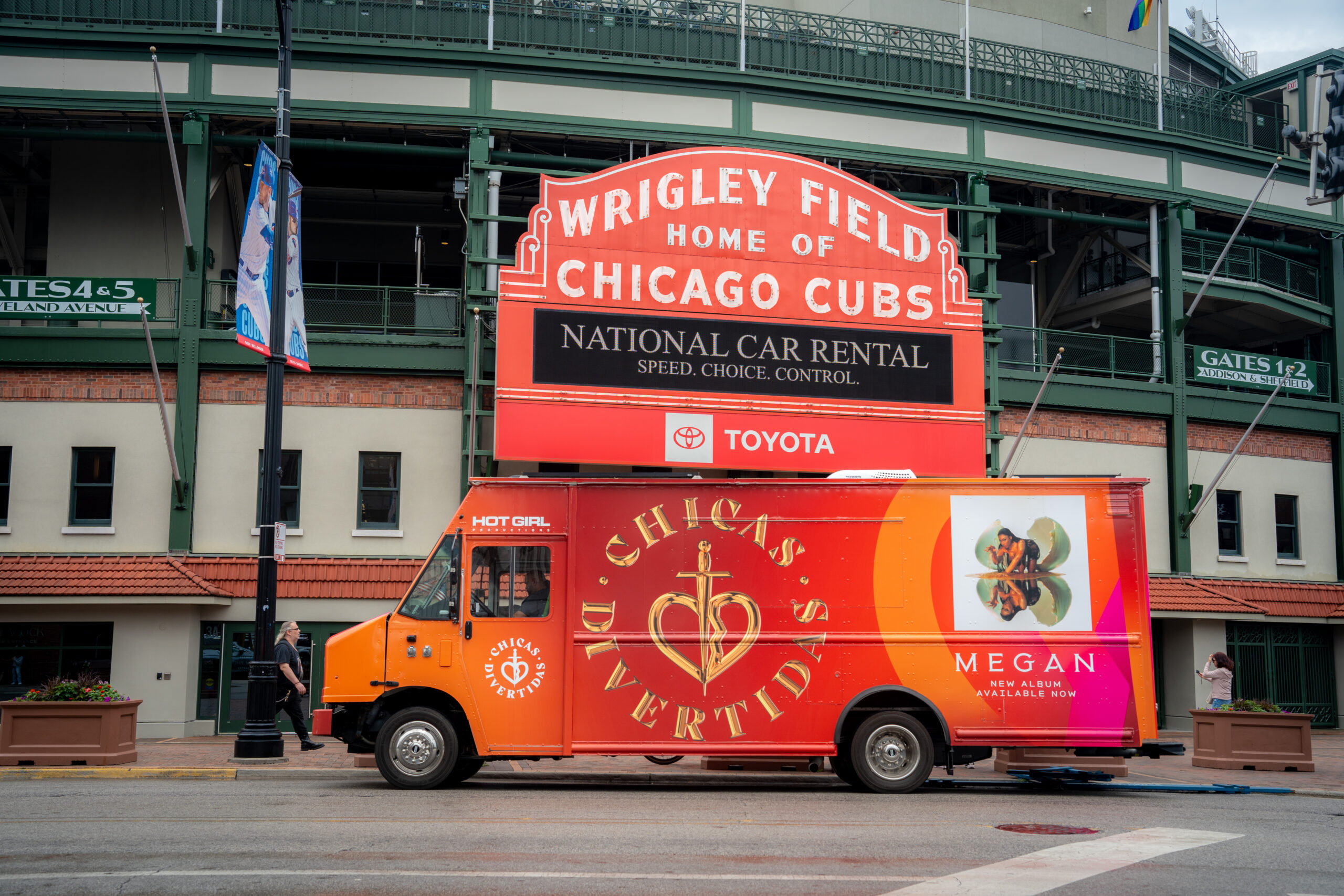
Not every brand needs to compete on the scale of a Fortune 1000 marketing budget to benefit from this shift. A single, well-executed activation in one or two key markets can produce outsized results relative to its cost, particularly for brands entering a new market or launching a specific product rather than running an always-on national presence. The budget increase happening industry-wide is a signal about where the channel’s value lies, not a requirement that every brand match Fortune 1000 spending to participate in it.
Brands with limited budgets are often better served concentrating that spend into fewer, sharper activations rather than spreading it thin trying to match a national footprint they cannot yet support.
The Brands Investing Now Are Setting Next Year’s Baseline
Budget increases of this magnitude tend to compound. As more brands invest in experiential and prove out the results, the category’s baseline for what a competitive activation looks like rises with it, making it harder for brands sitting on the sidelines to catch up later at the same cost. The brands moving now are not just capturing this year’s attention. They are setting the standard their competitors will be measured against going forward.
Sweeter helps brands put experiential budget to work with the operational precision that turns spend into results, from single-market activations to multi-city tours. If you’re planning next year’s investment in physical brand experience, let’s start the conversation. Reach out to Kim Healing at kim@wearesweeter.com.