
Brands have always competed for attention. The difference now is that attention is harder to earn and faster to lose. Static billboards get scrolled past in memory before they’re even out of sight. Digital pre-rolls get skipped. Print ads go unread. What cuts through isn’t a better version of those things. It’s something altogether different: a live experience that stops people mid-stride and gives them a reason to stay.
Glass box truck marketing is one of the most effective ways to do exactly that. It combines the mobility of traditional out-of-home advertising with the engagement mechanics of a live brand activation, creating a campaign that’s visible, shareable, and genuinely hard to ignore. This article breaks down how glass box truck marketing works, why brands use it, and when it earns a place in a marketing plan.

How Glass Box Truck Marketing Works
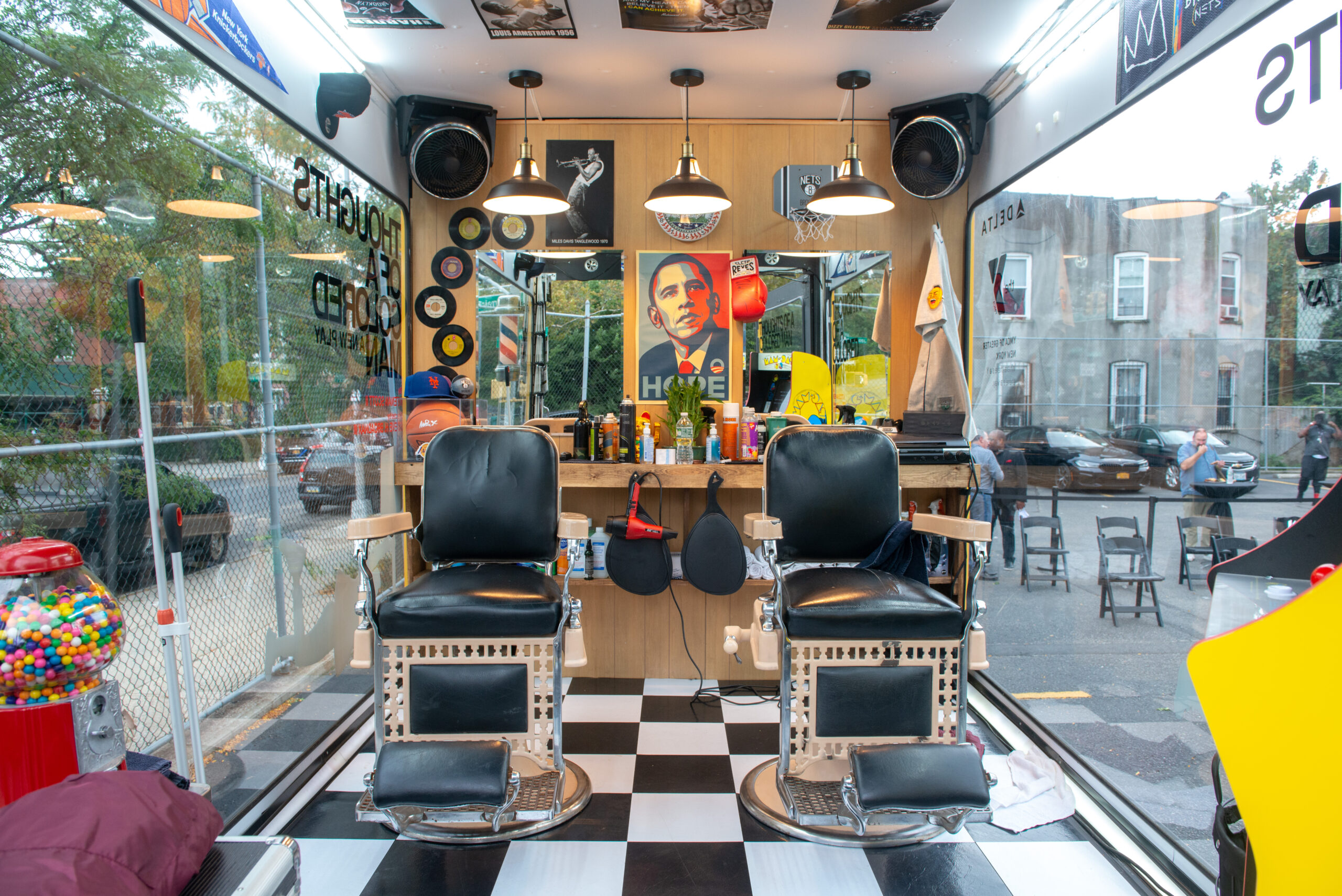
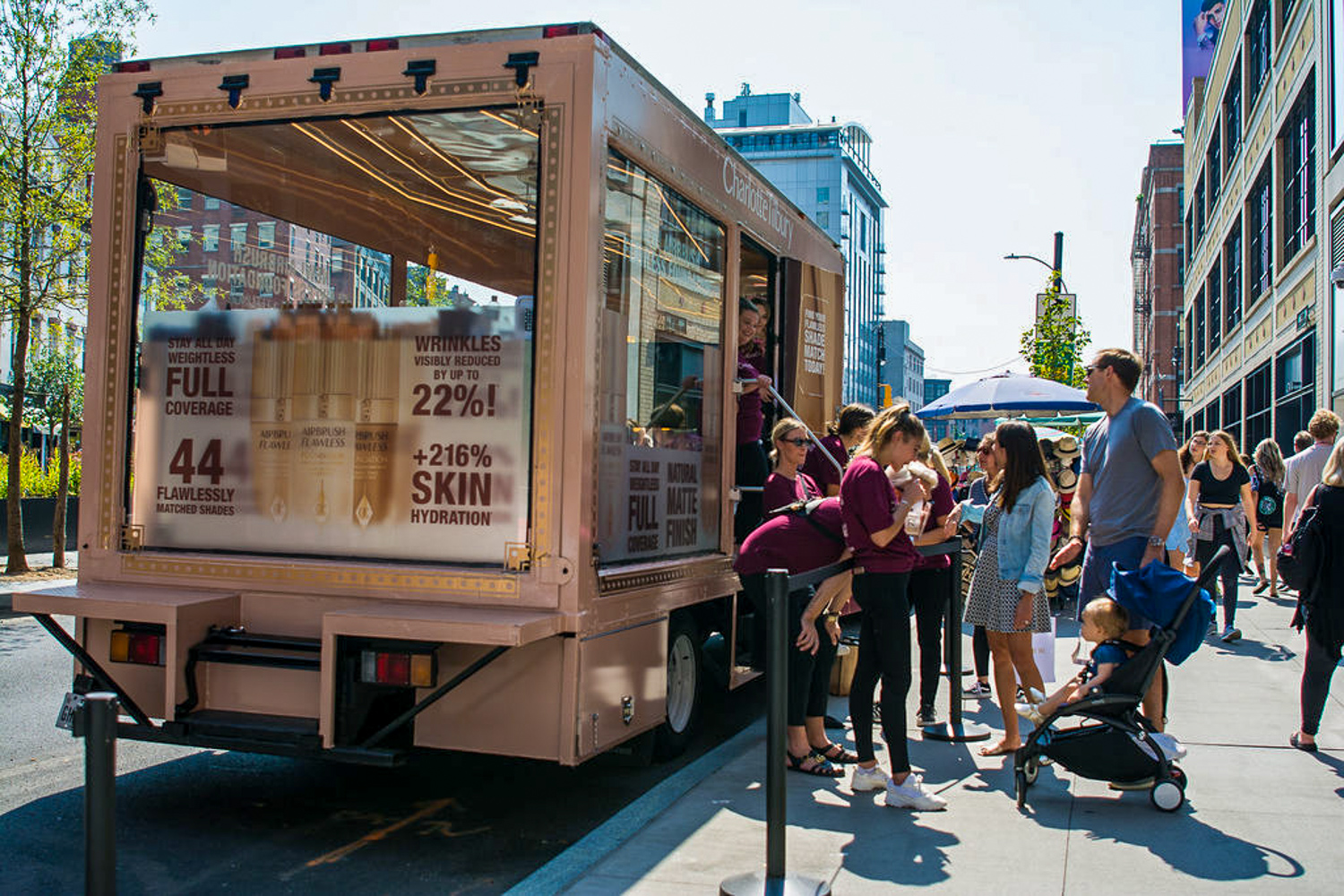
A glass box truck starts as a blank structure: a vehicle with transparent walls in place of solid panels. From there, the build is entirely custom. Brand teams design the interior around a campaign’s goals, whether that’s a themed set, a product display, a styling station, or a full walk-in experience guests can enter. The exterior can carry brand graphics too, but the transparent walls are what make the format distinct, since they let the interior itself become the advertisement.
Once the build is complete, the truck is routed through high-traffic areas, retail districts, event grounds, or specific neighborhoods tied to the campaign’s target audience. Route planning matters as much as the build itself, since the truck needs to intersect with the right foot traffic at the right time to earn its impressions.
The strongest campaigns tie the physical activation to a digital layer. Branded hashtags, on-site QR codes, and social prompts encourage guests to document their visit, which extends the campaign’s reach well past whoever walked by that day.
Why Brands Use Glass Box Truck Marketing
Compared to traditional advertising, glass box truck marketing offers a few clear advantages. It puts a brand directly in front of people in major markets and high-traffic areas, rather than waiting for them to notice a static image. It creates a live, in-the-moment experience that a passerby can’t get from a billboard or a pre-roll ad. And because the format is still uncommon, it tends to generate stronger brand recall than more familiar advertising types.
Perhaps most importantly, glass box truck marketing combines the reach of out-of-home advertising with the engagement of an experiential activation. Brands get the visibility of a mobile vehicle and the connection of a live event in a single tactic, which is difficult to replicate with any single traditional channel.
Glass Box Trucks vs. Traditional Mobile Advertising
A standard mobile billboard or truck wrap delivers an impression. Someone sees the image, registers the brand, and moves on. There’s no interaction built into the format, and no reason to stop.
A glass box truck delivers something closer to a moment. The transparent walls invite a second look, and whatever is happening inside, a product demo, a live activation, a styling session, gives people a reason to slow down or approach. That difference, passive viewing versus active engagement, is what separates an impression from an experience. Brands that need reach still have a place for traditional mobile advertising. Brands that need people to remember them tend to choose the glass box.
Examples of Glass Box Truck Marketing Campaigns
The format flexes to fit almost any campaign type. Product launches use the glass box to unveil a new item inside a fully branded scene, giving press and consumers a first look they can’t get anywhere else. Live demonstrations, from beauty application to culinary prep, use the transparent walls to turn a routine process into a public performance.
Brand storytelling campaigns take the format further. One streaming platform rebuilt a character’s apartment inside a glass box truck, giving fans a walk-through set that doubled as a photo opportunity and a press moment. Influencer and performance-based activations follow a similar model, using the visible interior as a stage for a scheduled appearance or live content moment that draws a crowd on-site and an audience online.
When to Use Glass Box Truck Marketing
Glass box truck marketing performs best in a few specific scenarios. Major city campaigns benefit from the format’s ability to command attention in high-traffic areas where static advertising gets lost in the noise. Event activations, whether at a trade show, festival, or sponsored gathering, use the truck as an anchor point that draws attendees in.
Product launches are a natural fit, since the format lets a brand unveil something new in a controlled, fully branded setting. And any awareness campaign built around high visibility, rather than a narrow, targeted reach, tends to see strong results from the format’s combination of mobility and spectacle.
How Glass Box Truck Marketing Fits Into Experiential Marketing
Glass box truck marketing works best as one piece of a broader experiential marketing strategy, not a standalone tactic. The truck generates the live moment and the content, but its full value shows up when it’s tied to digital promotion before and after the activation, social amplification during the event, and a connected presence at other live touchpoints in the same campaign window.
Brands running a multi-channel campaign can use the glass box truck as the physical anchor: the piece that gives digital and social content something real to point back to. That connection between the physical activation and the surrounding campaign is what turns a single event into a sustained moment of brand visibility.
Is Glass Box Truck Marketing Right for Your Brand?
Glass box truck marketing is the right call for brands prioritizing visibility, engagement, and memorable experiences over sheer impression volume. If the goal is to be remembered, not just seen, the format earns its place in the plan.
It’s a better fit for brands with a story worth building out physically than for those running narrow, highly targeted B2B outreach, where a smaller-scale or more direct tactic may deliver a stronger return. For brands entering a crowded market, launching something new, or looking to create content that outlasts a single event, the format is built for exactly that job.
Start Your Next Experiential Campaign
Glass box truck marketing gives brands a way to stand out in markets where static advertising blends into the background. It turns a moving vehicle into a live, walk-in brand experience, one that consumers stop for, engage with, and share on their own.
We build glass box truck activations from the first conversation through the final recap, handling design, fabrication, routing, and staffing so the brand’s story is the only thing anyone notices. Start the conversation with our team at kim@wearesweeter.com to explore how this format fits into your next campaign.