
Summer changes how people move through cities. Foot traffic spills onto sidewalks, parks fill up, and consumers spend more time in public space than at any other point in the year. For brands running experiential marketing programs, that shift in behavior is not just a backdrop. It is a strategic advantage that does not exist in any other season.
The window is specific. From late May through August, outdoor consumer density in major U.S. markets peaks. Street-level programming that would draw a modest crowd in February can generate lines in July. The same activation, the same vehicle, the same product, deployed in summer, reaches more people, drives more organic content, and creates more brand impressions per activation day. That is not coincidence. It is the season doing the work.
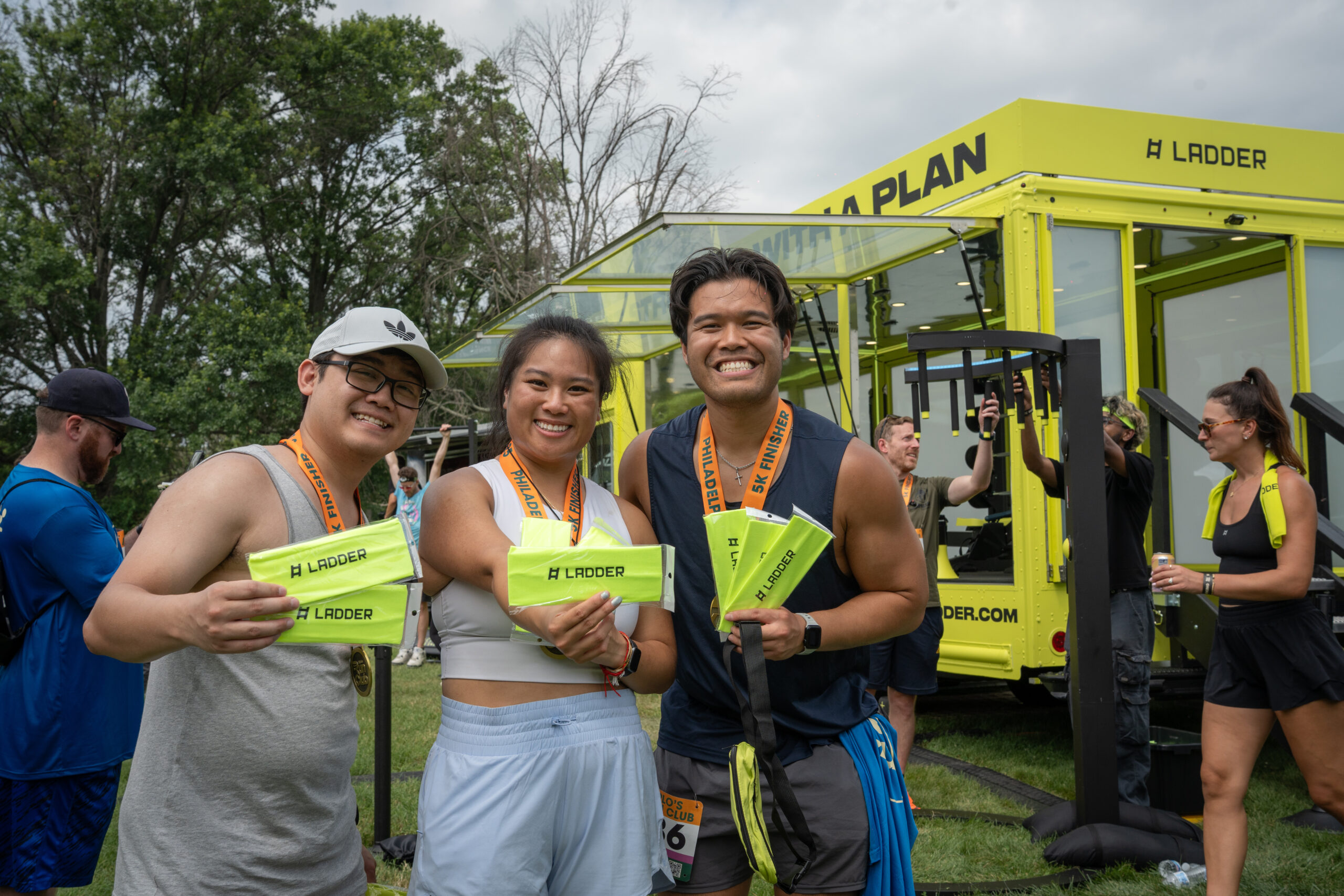
Outdoor Behavior Creates the Conditions Experiential Needs
Experiential marketing is a physical medium. It requires consumers to be present, engaged, and open to interaction. Summer is the one season where all three conditions converge naturally.
People in warmer months are more exploratory. They linger. They are more likely to stop for a sample, stay for a conversation, and document what they encounter. Contrast that with February in New York or Chicago, where the goal of most pedestrians is to get from one heated interior to the next as quickly as possible. The psychological openness that summer brings is real, and it has a direct effect on activation performance.
Festivals, outdoor markets, cultural events, and neighborhood programming also concentrate audiences in predictable ways during summer months. Brands that map their activation calendars against these moments gain access to pre-assembled crowds with elevated energy. The audience is already there, already in the mindset of discovery. An experiential activation positioned within that context does not have to manufacture engagement. It steps into it.
Seasonal Relevance Makes the Brand Message Land Harder
There is a reason beverage brands, CPG companies, and beauty labels time major product launches and sampling campaigns to summer. The seasonal context does creative work that no headline can fully replicate. A refreshing product sample handed to someone on a warm afternoon in a busy park lands differently than the same product encountered on a shelf in a climate-controlled store.
Experiential marketing amplifies that contextual relevance. When the activation environment, the product, and the season are in alignment, the consumer experience is cohesive in a way that feels effortless. A branded food truck serving cold, custom-crafted beverages in a high-traffic outdoor location is not just a sampling mechanism. It is a sensory argument for the product made at exactly the right moment.
This is particularly valuable for brands introducing a new product or entering a new market. Summer gives those brands a credibility shortcut. The setting does part of the persuasion work, and the activation delivers the proof point.

The Multi-City Opportunity Is Widest in Summer
Summer is also the most viable window for multi-market activations. Weather variability across U.S. cities is at its lowest point, which means a tour planned for five or eight markets can execute with consistent conditions from coast to coast. That consistency matters for brand presentation, for staffing planning, and for the ability to replicate results across stops.
Consumer mobility increases in summer as well. Tourists, event travelers, and locals venturing outside their usual neighborhoods expand the addressable audience in major markets beyond their typical size. A brand activating in Chicago’s Grant Park during a major food festival, or along a popular Manhattan corridor on a July weekend, is reaching a denser and more diverse audience than it would find in those same locations in October.
For brands planning regional or national tours, summer provides the most favorable conditions across every variable that determines activation reach: weather, foot traffic, consumer openness, and event density.
Summer Requires Early Planning to Execute Well
The strategic advantage of summer is well understood, which means competition for premium locations, experienced staffing, and quality fabrication increases significantly in the spring. Brands that treat summer as a spontaneous opportunity rather than a planned campaign consistently find themselves behind on permitting, vehicle availability, and ambassador recruitment.
Peak-season activations that perform at a high level are typically in planning four to six months in advance. Location selection, vehicle customization, culinary development, and staffing logistics all require lead time that shortens as summer approaches. The brands that move early secure the locations, the talent, and the production quality that make the difference between an activation that draws a crowd and one that blends into the background.
That planning horizon also allows for contingency. Summer brings heat, unexpected precipitation, and permit complications in high-demand markets. A program planned with enough runway accounts for those variables and builds in the flexibility to adapt without losing momentum.

When Summer Is Not the Right Season
Summer activations make the most sense for consumer-facing brands with broad or general audiences. For B2B brands, niche professional segments, or categories where the product is not meaningfully tied to outdoor or warm-weather contexts, summer’s advantages are less pronounced.
Budget is also a real constraint. Premium summer locations in high-foot-traffic markets command higher permitting costs, and demand for quality fabrication and staffing drives prices up during peak season. Brands with tighter activation budgets may find better value in shoulder seasons, where comparable reach is available at lower cost and with less competition for prime locations.
The calculus is straightforward. If the target consumer is outside and reachable in summer, and the product has any seasonal relevance, the season should be a central part of the campaign strategy.
The Season Is a Marketing Asset
Most media channels are indifferent to time of year. A digital ad performs the same in January as in July. A billboard does not know what month it is. Experiential marketing is different because the physical environment is part of the medium, and summer makes that environment work harder than any other season.
Brands that treat summer as a strategic window rather than a calendar slot build activations that benefit from the season itself. The foot traffic, the consumer openness, the sensory alignment, and the social density of summer markets are advantages that exist for a fixed window each year. The brands that plan for them consistently outperform those that do not.
Ready to build a summer activation worth showing up for? Reach out to Kim Healing at kim@wearesweeter.com to start planning.