
A consumer who has never tried a product makes every purchase decision under uncertainty. They are weighing a claim they have not verified, a package they have only seen in a photo, and a price they cannot yet justify against actual experience. Product sampling eliminates that uncertainty in a way no digital ad, no influencer post, and no in-store display can replicate. It replaces the question with an answer.
The mechanics are straightforward. A consumer tries the product. If it delivers, the brand has created a purchase-ready consumer without a single impression of paid media. If the sampling experience itself is well executed, the brand has also created a story worth telling. The challenge is not understanding why sampling works. The challenge is executing it in a way that reaches the right consumer, in the right context, with the right person doing the talking.

Location Is the First Filtering Mechanism
Product sampling is only as effective as the audience it reaches. A sample distributed to the wrong consumer is a cost with no return. Getting sampling in front of the right consumer requires treating location selection as a strategic decision rather than a logistical one.
The strongest sampling programs are deployed where the target consumer already concentrates. A skincare brand sampling in a neighborhood with a high density of its core demographic reaches more qualified consumers per activation hour than a brand sampling in a generically high-traffic location. Foot traffic volume matters, but audience composition matters more. A smaller crowd of highly relevant consumers outperforms a large crowd of indifferent ones every time.
Event proximity adds another layer of qualification. Consumers attending a fitness event, a food festival, a cultural market, or a retail launch are self-selected for specific interests and in a discovery mindset that makes them more receptive to new products. Brands that map their sampling calendars against events their target consumer already attends consistently see stronger trial conversion and higher post-activation purchase rates.
The Right Staffing Makes the Sample Mean Something
Handing someone a product is not the same as introducing them to it. The difference between a sample that gets pocketed and forgotten and one that drives a purchase decision often comes down to the person who made the handoff.
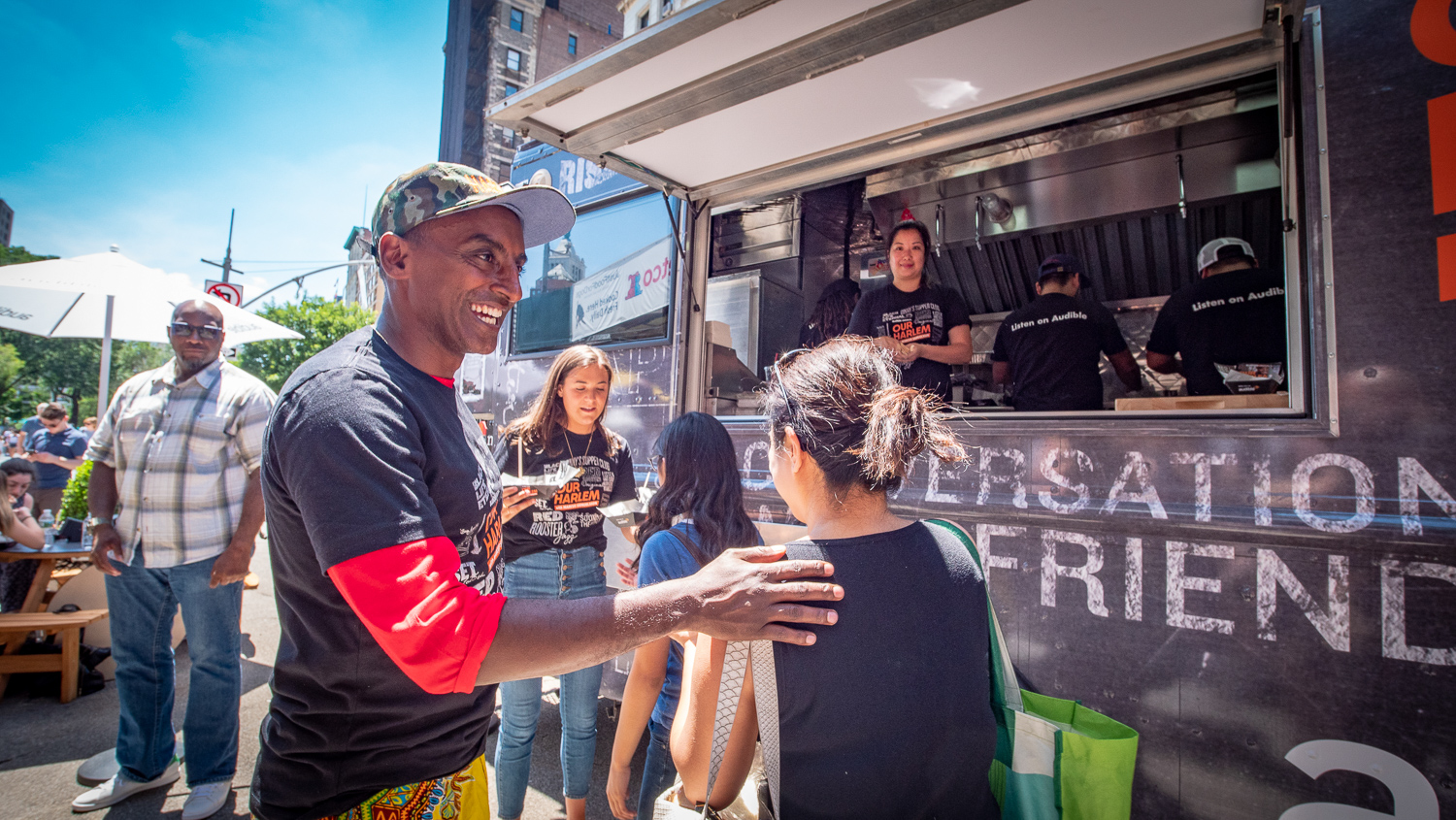
Brand ambassadors running a product sampling program carry more responsibility than most activation staffing models acknowledge. They are not logistics support. They are the brand’s first human contact with a potential customer, and the quality of that contact shapes the consumer’s initial perception of the product. An ambassador who knows the product, communicates its value clearly, and engages with genuine energy gives the sample context. That context is what converts trial into consideration.
Product knowledge is non-negotiable. An ambassador who cannot answer a basic question about ingredients, usage, or where to buy the product after trial breaks the chain of intent that sampling is designed to create. Consumers who leave an activation with a sample and an unanswered question do not always go looking for the answer. They move on. The brands that invest in thorough ambassador briefings before every activation close that gap before it opens.
Interaction Quality Determines What Happens After the Sample
The sample is a physical object. The conversation around it is the actual marketing. Consumers who receive a product with no context treat it as a free item. Consumers who receive a product alongside a brief, genuine explanation of what it does and why it was made are in a fundamentally different relationship with the brand before they have even opened the package.
This is where sampling as an experiential marketing tactic separates from sampling as a distribution exercise. Experiential sampling programs are designed around the interaction, not just the handoff. Ambassadors are positioned and briefed to create a moment of connection, however brief, that anchors the product in the consumer’s memory. That anchoring effect is what drives the post-trial behavior, the store visit, the online search, the repeat purchase, that sampling programs are ultimately measured against.
The physical environment reinforces this. A sampling program executed from a well-branded vehicle or dedicated footprint signals investment and credibility. It tells the consumer that the brand behind the sample is serious. That signal influences how the consumer receives the product before they have even tried it.
Sampling Programs Build Data as They Build Awareness
Every sampling activation is also a research opportunity. Consumer reactions in the moment, questions asked at the handoff, demographic patterns across locations, and post-activation purchase behavior all generate intelligence that improves the next deployment. Brands that collect and analyze that data systematically build a compounding advantage over those that treat each activation as a standalone event.
Conversion tracking is particularly valuable for brands in early distribution stages. Knowing which markets produce the strongest trial-to-purchase conversion, which locations yield the highest quality consumer interactions, and which product formats or flavors generate the most positive immediate reactions gives brands the data they need to allocate future sampling investment with precision rather than intuition.
That data also feeds into broader campaign planning. A sampling program that demonstrates strong consumer receptivity in specific markets builds the case for retail expansion, for media investment, and for continued experiential activity in those markets. The activation generates the evidence. The evidence drives the next decision.

When Sampling Is Not the Right Tactic
Product sampling works best for products where trial is the primary barrier to purchase. Food and beverage, beauty and personal care, and consumer packaged goods with strong sensory differentiation are the categories where sampling delivers the clearest return. For products where the value is not immediately apparent in a single interaction, or where the decision cycle is longer and more considered, sampling alone is unlikely to produce meaningful conversion.
Budget and distribution stage also shape the calculus. A brand with limited market presence benefits more from concentrated sampling in a small number of high-impact markets than from thin coverage across many. And a brand that is not yet in distribution in a given market should think carefully about whether activating there creates demand it cannot satisfy, which can generate frustration rather than loyalty.
The tactic is powerful when it is matched to the right product, the right consumer, and the right moment in the brand’s growth trajectory.
Sampling as the Start of a Consumer Relationship
A well-executed product sampling program does not end when the sample is handed over. It ends when the consumer buys the product, tells someone about it, or seeks it out again. Everything that happens between the handoff and that outcome is shaped by the quality of the activation: the location, the ambassador, the interaction, the environment, and the brand impression those elements collectively create.
The brands that treat sampling as a relationship-starting tool rather than a distribution mechanism consistently see stronger downstream results. The sample is the opening. Everything else is execution.
Ready to build a sampling program that converts? Reach out to Kim Healing at kim@wearesweeter.com to start the conversation.